In short. Puglia spends its summer outdoors and in public. Patron saints, food festivals in villages of nine hundred people, a tarantella concert that fills a field, and streets roofed over with wooden light frames. This is what is on, and when.
A sagra is not a tourist event. It is a village cooking one dish for three evenings, usually to raise money for something, usually in the square. Turning up at one is the single easiest way to eat well and cheaply in Puglia, and the calendar runs from June to October.
The big ones
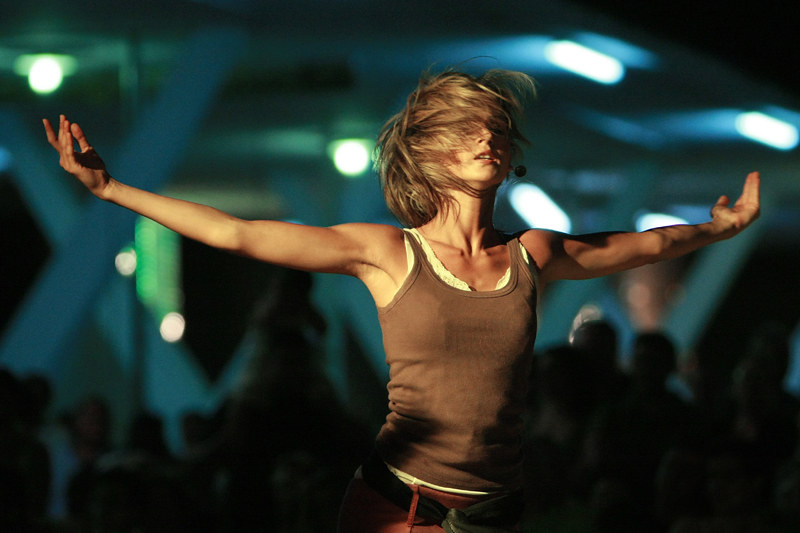
La Notte della Taranta — the closing concert, the Concertone, at Melpignano in August. The village has 2,211 inhabitants and holds several tens of thousands for one night. It exists because of the pizzica, and the story behind it is worth reading first.
The luminarie of Scorrano — for four nights in July, a small Salento town builds cathedrals of light tens of metres high out of steel and coloured bulbs, then takes them down. It is temporary architecture, not decoration.
The carnival of Putignano — the one winter entry, and one of the oldest carnivals in Europe. Papier-mâché floats, from Boxing Day to Shrove Tuesday.
The ceramics fair of Cutrofiano — in August, in the town where the clay comes from. Where to see the pumo and the ceramic balloons made rather than sold.
Month by month
- July in Puglia — the season opens, the patron saints start
- August in Puglia and August in the Salento — the busiest weeks of the year
- Ferragosto — the 15th of August, when the country stops
- The food festivals of September — the best month for sagre, and the least crowded
- September in the Salento — the 2026 calendar, with the confirmation status beside every date
2026: the Mediterranean Games
Taranto and twenty-one towns around it are hosting the Mediterranean Games, which close on the 3rd of September. If you are in Puglia in that fortnight it will be difficult to miss, and several of the sagre are happening in the same towns.
Before you plan around a date. Village festival dates move, and the listings sites are notoriously slow to update — a great many of them are still showing last year’s calendar. Check the town council or the local pro loco page before booking anything around a sagra.
The traditions these festivals come out of — the pizzica, the patron saints, the tarantism — are explained under traditions of Puglia.