Puglia travel & food magazine
Puglia: sea, food and traditions
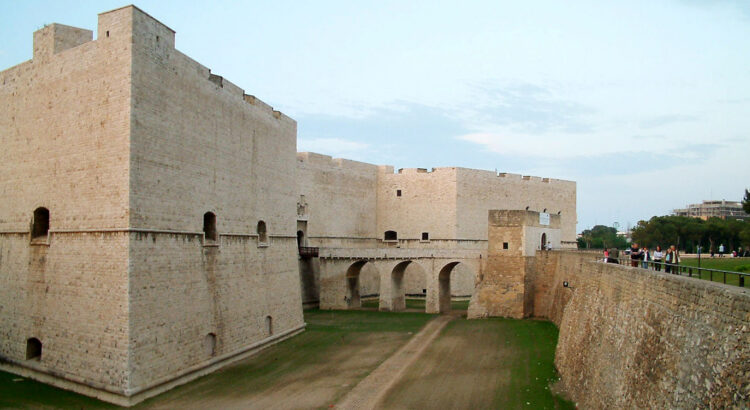
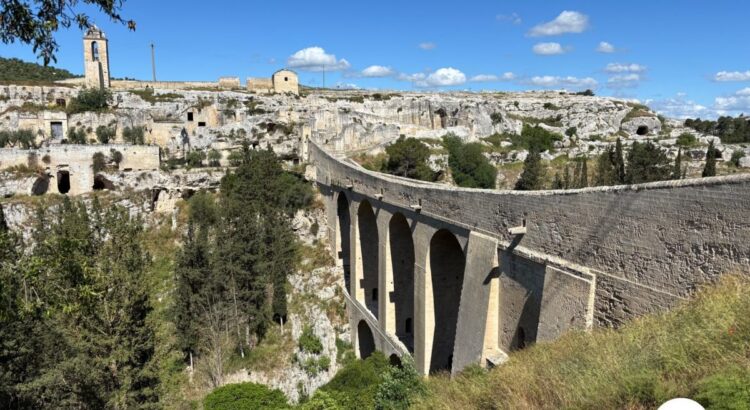
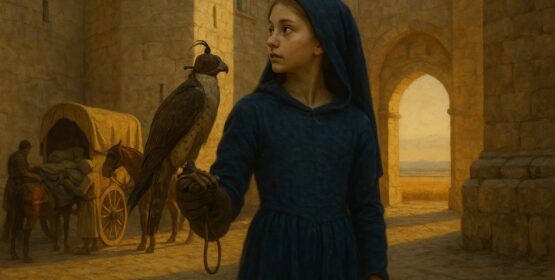
Frederick II’s Puglia: the castles, and where Selvaggia’s story really begins
At the end of the summer the Italian series Costanza brought back the name of Selvaggia of Staufen, Frederick II’s daughter. It was filmed between Verona and Vicenza, but the story begins in Puglia: Castelpagano, Castel del Monte, Lucera, Oria, Trani. The real places, and a three-day route.
CONTINUE READING
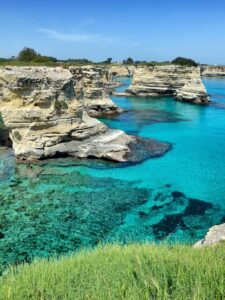
The Cammino del Salento: stages, km and a walking guide
The Cammino del Salento runs from Lecce to Santa Maria di Leuca, the southern tip of Italy’s heel. Two branches, and only one open: the sea route, 115 km along the Adriatic. The inland route is closed for 2026 — and plenty of guides still recommend it.
CONTINUE READING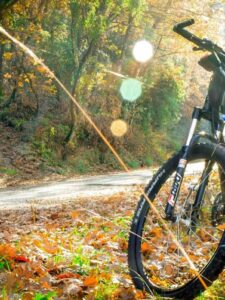
Cycling in Puglia: why September and October are the months
The cycling season in Puglia is not summer but September and October: the difficulty here is not gradient, which barely exists, but heat. Which cycling tracks actually exist as against the ones still on paper, how hard each area is, and the thing almost nobody knows — across Italy bikes cost extra on regional trains, but not here.
CONTINUE READING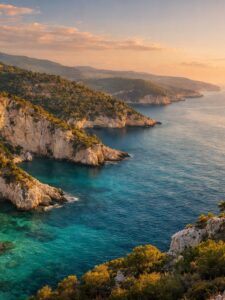
The Gargano you do not know: 5 places off the tourist trail
Everyone knows the postcard Gargano — Vieste, Peschici, the Tremiti. But the national park covers more than 120,000 hectares. Five hidden places: a medieval village, the paths off the map in the Foresta Umbra, the Daunian stelae, the hermits of Pulsano and the coast you can only reach by boat.
CONTINUE READING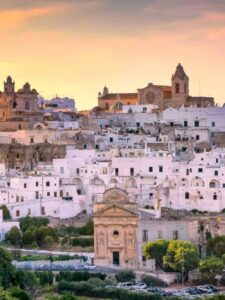
Buying a house in Puglia in 2026: the real prices, province by province
Bari at 2,070 euros a square metre, Taranto at 931, Lecce climbing 7.8% while the region moves 0.8%. And on the other side, the Apulian towns selling houses for one euro.
CONTINUE READINGLatest news
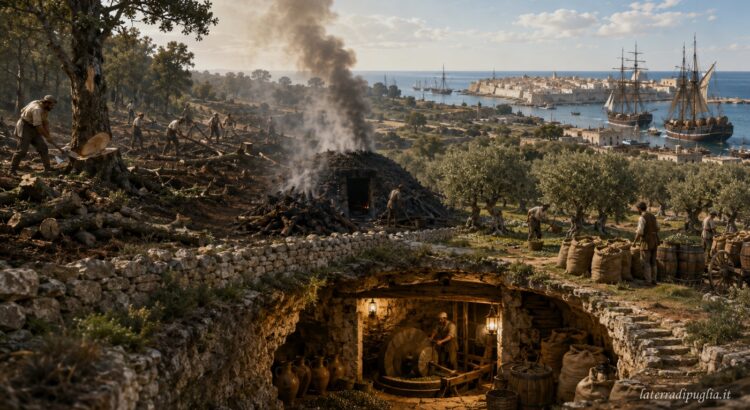
- The 2026 olive harvest: Puglia is picking less, except in the Salento
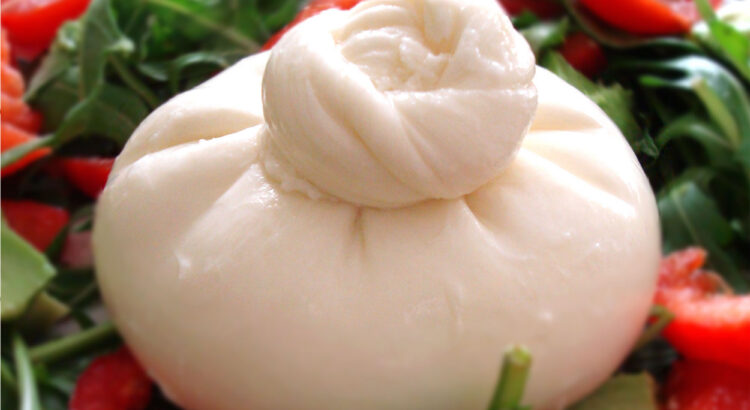
- The Guardian, mozzarella and Puglia: what the article actually says
- The Disfida di Barletta: the true story of the thirteen knights
- Historia 2026 in Gravina in Puglia: the programme of the historical pageants, 18-20 September
- What to bring back from Puglia: a guide to souvenirs that are worth it
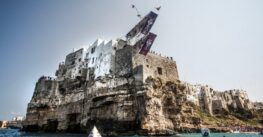
Red Bull Cliff Diving 2026 in Polignano a Mare: dates, where to watch and how to get there
From 25 to 27 September 2026 the Red Bull Cliff Diving returns to Polignano a Mare for the thirteenth time: dives from 21 and 27 metres above Lama Monachile, in the last European round of the season. Dates, where to watch and how to get there.
Events in the Salento in September 2026: sagre, feasts and the sea
The September 2026 calendar in the Salento: village sagre, patron saints’ feasts and the oldest wine festival in Italy, each one marked with whether the date is confirmed. Plus where to swim once the beaches empty out.
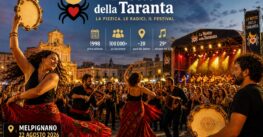
The spider in the Taranta’s web is not television. It is us — and it has been for 500 years
After the 29th Notte della Taranta, the same argument returned: few local people on the staff, decisions taken elsewhere, the square emptying halfway through. The diagnosis is right, the culprit everyone names is wrong. The Salento has been selling what it has cheaply for five hundred years.
Before the Concertone: when the pizzica was something to hide
On 22 August 2026 tens of thousands of people will dance the pizzica in Melpignano at the 29th Notte della Taranta. For most of the twentieth century that same music was peasant music, best not mentioned in front of strangers. How an embarrassment became an identity.
The day of the sauce: when the last Sunday of August stopped everything
Crates of tomatoes, the hand-cranked mill, the fizzy-drink bottles washed since January and the method called alla manta, which takes its name from the blankets: what the last Sunday of August looked like in an Apulian courtyard.
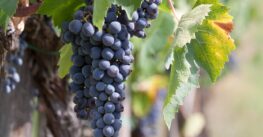
The grape harvest the old way: five in the morning, and the must was trodden barefoot
Primitivo and Negroamaro are coming in, and Coldiretti expects 10% more grapes than last year. Two generations ago the same week started at five in the morning, the grapes travelled in fifty-kilo reed baskets, and the must was made by treading barefoot in a stone palmento.
Gnummareddi: the little bundles on every Apulian grill
Small rolls of lamb offal wrapped in caul fat and tied with the animal’s own gut, cooked over coals. What is inside them, why they have six names, and the four ways they are cooked.
The Apulian Mediterranean diet: the 10 foods people here actually eat
Not the version in the nutrition books, but the everyday table of people who have lived here for generations: from extra virgin oil to broad beans and chicory, from native pulses to durum wheat pasta and local red wine.