In short. Apulian cooking is peasant cooking and seafaring cooking at the same time. It is built on durum wheat, olive oil, vegetables and whatever the two seas give — and it is famously good at making a great deal out of very little. These are the recipes as they were handed down to us, not modernised.
Apulian gastronomy is a poor cuisine, in the noblest sense the word can have. The shape of the land decided what people cooked with, and the result is a tradition of great flavour and great simplicity.
What makes Apulian cooking what it is
The agricultural tradition and the seafaring tradition meet here. Contrary to what you might expect from a region with two coastlines, the everyday cooking of Puglia leans on the land: vegetables, pulses, bread, pasta made from semolina and water. The fish is excellent and it is eaten, but it is not the backbone.
Three things turn up again and again:
- Durum wheat semolina — which is why Apulian pasta is made without eggs, and why it holds its bite
- Extra virgin olive oil — used raw as much as for cooking; Puglia is the leading olive region of Italy
- Stale bread — never thrown away. It becomes frisella, breadcrumbs, or bread balls
The recipes
These are the recipes of the typical Apulian dishes that our grandparents — who had them from their own grandparents — handed down. They use what the land offers, without ever losing sight of what the dish is supposed to be.
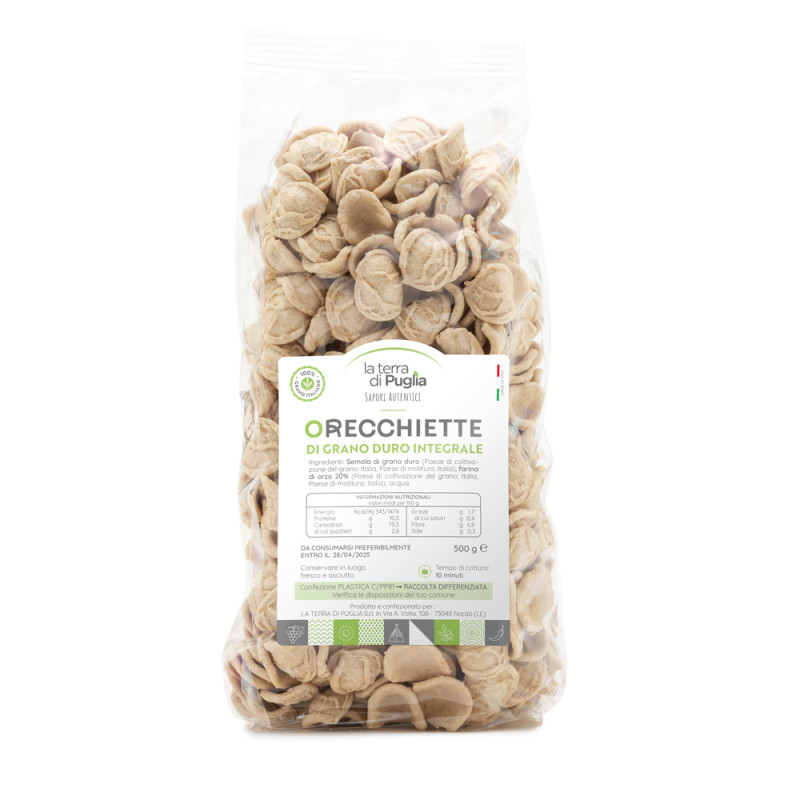
First courses — orecchiette above all, made by hand with a knife and a thumb, plus the pulses and the pasta bakes. Sixteen recipes.
Second courses — fish from two coasts, lamb from inland, and the dishes built out of almost nothing. Fifteen recipes.
Vegetables and starters — lampascioni, cardoncelli, aubergines and the summer dishes. Eight recipes.
Desserts — almonds, fig syrup and fried dough, mostly tied to Christmas and Easter. Eleven recipes.
Bread and pizza — focaccia with potato in the dough, fried panzerotti, and the twice-baked frise.
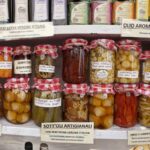
Preserves — jams, artichokes in oil, olives in salt and grapes under alcohol.
Liqueurs — limoncello, mint, basil, bay, coffee and amarella.
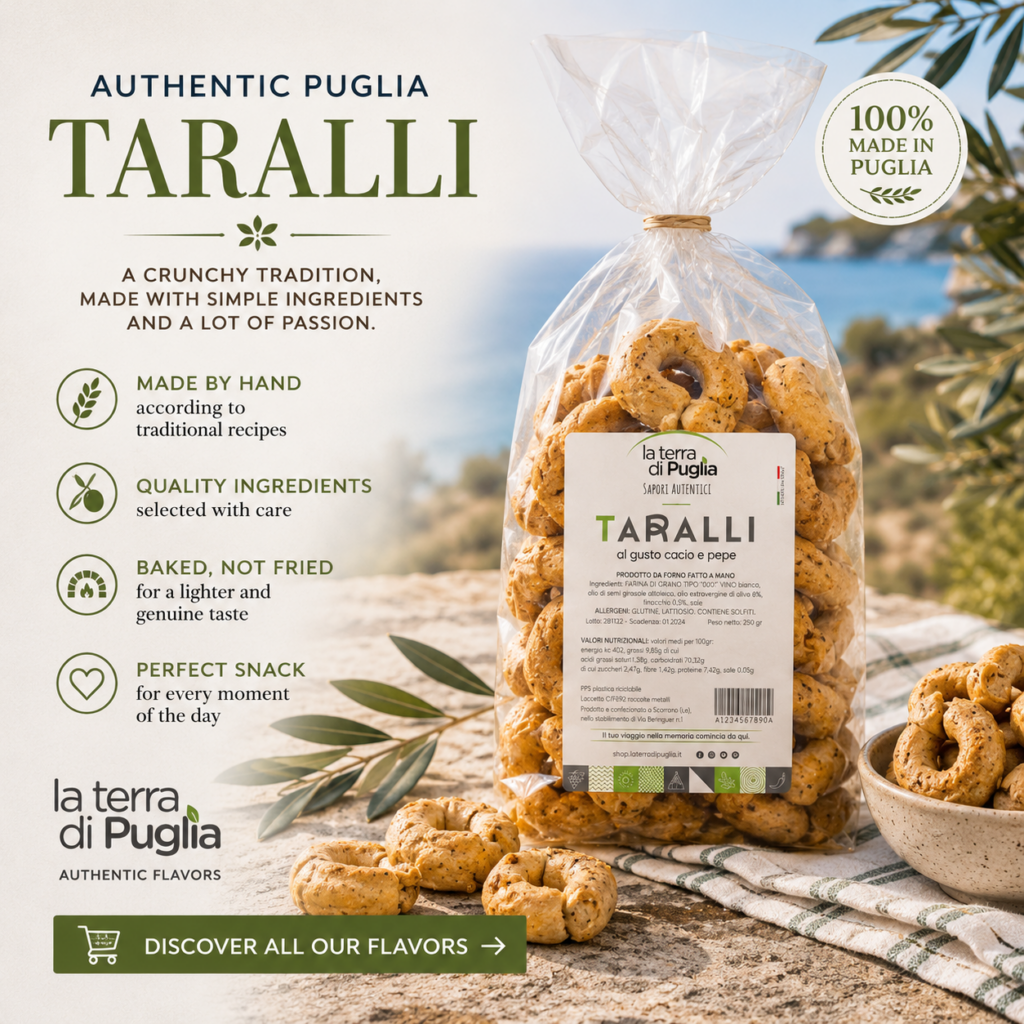
Taralli — the savoury rings: boiled first, then baked.
A note on quantities
Several of these recipes come down to us in the quantities a family kitchen actually used: a kilo of flour, ten people at the table. They scale down without trouble — but they were not written for two.
And if you would rather read about the ingredients than cook with them — where the wheat, the oil, the cheeses and the vegetables come from, and what the DOP and IGP labels actually promise — that is next door, under Apulian food and produce.
On the oil you cook with. Most of these recipes ask for extra virgin olive oil, and in Puglia that is not a detail: it is the ingredient that carries everything else. If you want to know how to tell one bottle from another, we wrote a plain-language guide to Apulian extra virgin olive oil and a page of questions and answers on acidity, harvesting and what the labels mean.
And for the day these recipes all depended on — when a family filled its pantry for the whole winter in twelve hours — there is the day of the sauce.
The recipe book, free as a PDF. Twenty-five Apulian recipes, from Salento puccia to pasticciotto, gathered in a PDF with photos, ingredients and method: it is the Puglia recipe book, and we send it to you by email.