By Marco on Comments Off on Capocollo di Martina Franca is now PGI: what the specification says
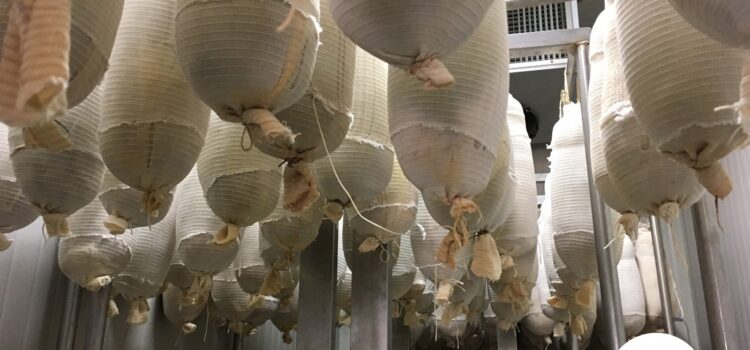
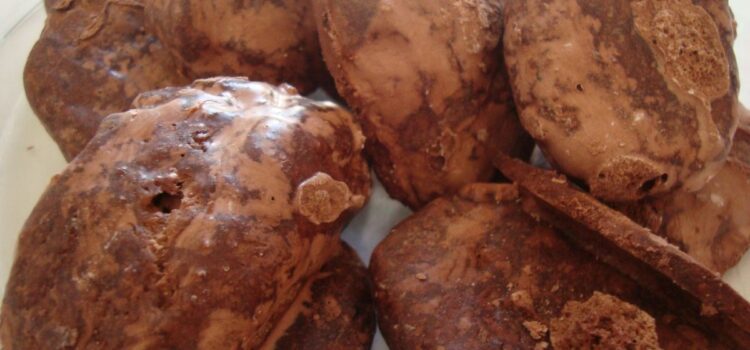
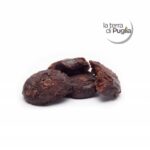
Capocollo di Martina Franca is now a Protected Geographical Indication: EU Regulation 2026/2293, published on 15 October 2026. The area, the pigs, cooked wine, oak smoke and what changes for buyers from 4 November.
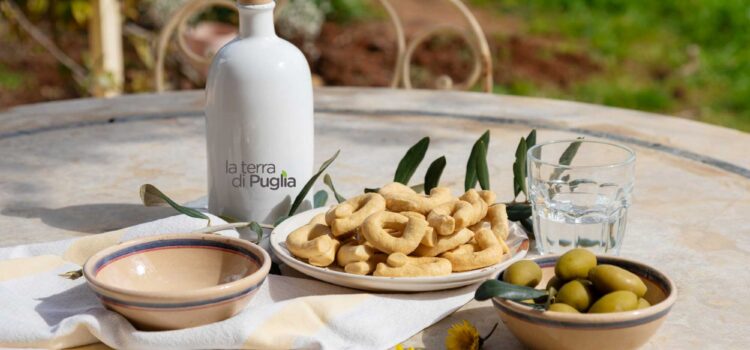
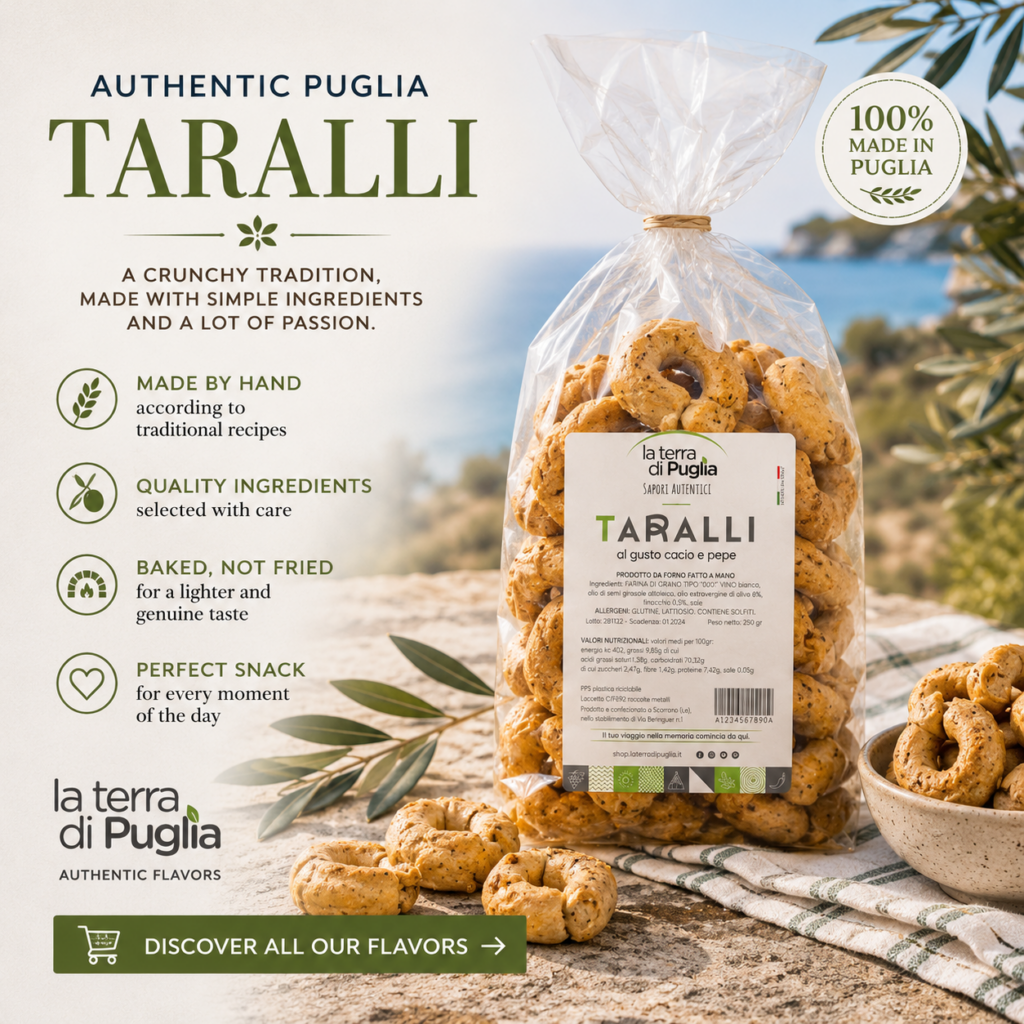
Apulian taralli or Turin grissini? Origin, ingredients, double cooking and pairings compared point by point, plus the traditional recipe to make taralli at home.
By Marco on Comments Off on PDO Altamura bread or bread made in Altamura: what’s the difference
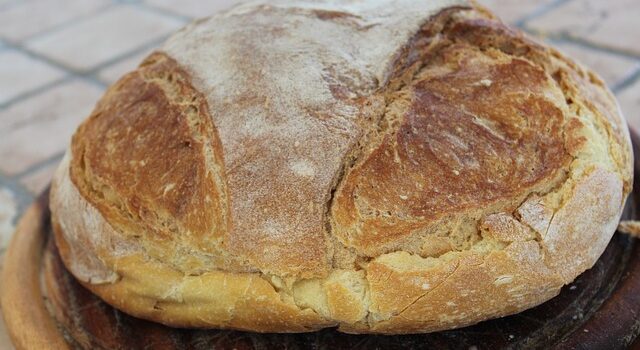
Not every loaf baked in Altamura may be called Pane di Altamura: the PDO demands durum wheat from five towns of the Murge, a natural starter, set times and a set oven. What the specification says and how to spot the certified loaf.
Almond-stuffed dried figs, quince paste, the wheat of the dead, pupurât and the first pettole of St Martin and St Cecilia: the season of Puglia’s sweets, and why mostaccioli and cartellate start now.
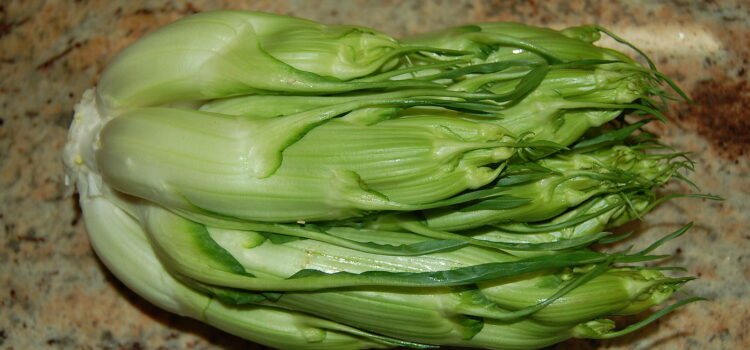
Sweet and sour puntarelle: crisp chicory shoots cut into strips and dressed with hot vinegar, sugar, sultanas and pine nuts. An easy side dish or antipasto.
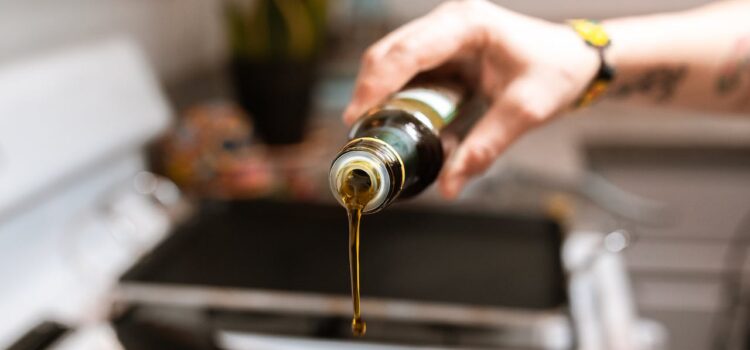
Bitter on the tongue, pungent in the throat, smelling of grass: these are the signs of freshly milled oil, and for the official tasting method they are not faults. What the colour really says and how to store it.
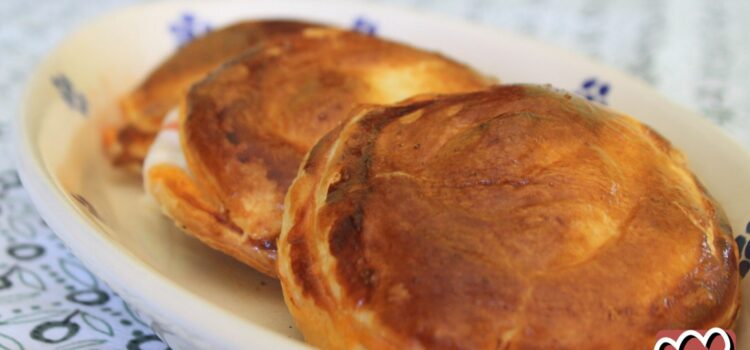
Salento street food in eight bites: rustico, fried calzone, frisa, puccia, seasoned olives, snails, scapece and pasticciotto. What each one is and why to try it.
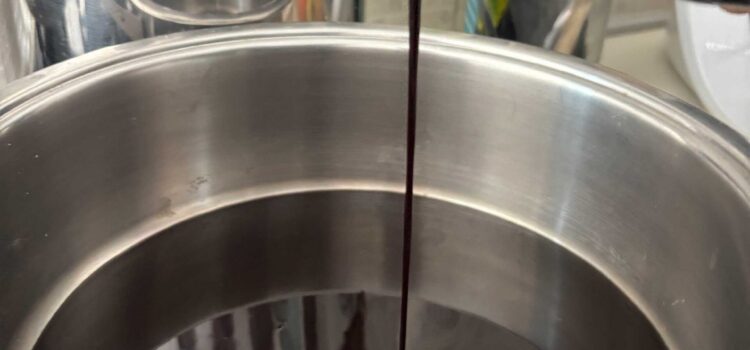
Grape must boiled for twelve to fifteen hours until it loses a third of its water: in Puglia vincotto was made in October, in the courtyard, taking turns at the cauldron. What it is and which sweets it goes into.
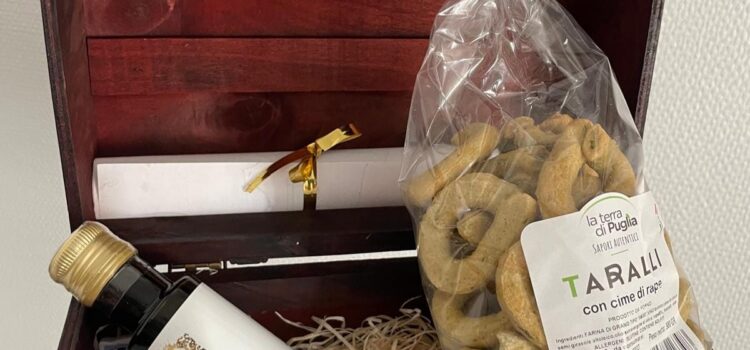
For Pope Leo XIV’s visit to Metz, Giovanni of the Italian deli Casa Giulia prepared a wooden chest with a letter, olive oil and our taralli with turnip tops.