
Puglia travel & food magazine
Puglia: sea, food and traditions

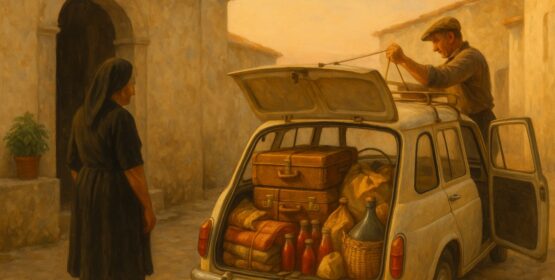
When Apulian emigrants went back: at the end of August the car was heavier than on the way down
At the end of August, in Puglia, the ones who came home go back. How that car was packed, what went into it and why – and a date that should not be forgotten: on 8 August 1956, 22 miners from Puglia died at Marcinelle.
CONTINUE READING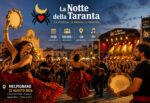
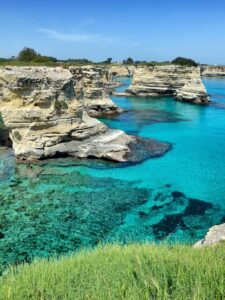
The Cammino del Salento: stages, km and a walking guide
The Cammino del Salento runs from Lecce to Santa Maria di Leuca, the southern tip of Italy’s heel. Two branches, and only one open: the sea route, 115 km along the Adriatic. The inland route is closed for 2026 — and plenty of guides still recommend it.
CONTINUE READING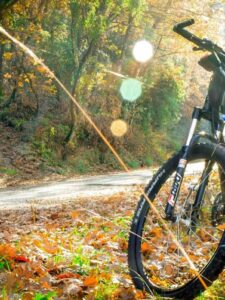
Cycling in Puglia: why September and October are the months
The cycling season in Puglia is not summer but September and October: the difficulty here is not gradient, which barely exists, but heat. Which cycling tracks actually exist as against the ones still on paper, how hard each area is, and the thing almost nobody knows — across Italy bikes cost extra on regional trains, but not here.
CONTINUE READING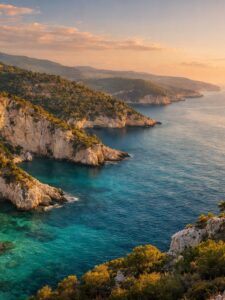
The Gargano you do not know: 5 places off the tourist trail
Everyone knows the postcard Gargano — Vieste, Peschici, the Tremiti. But the national park covers more than 120,000 hectares. Five hidden places: a medieval village, the paths off the map in the Foresta Umbra, the Daunian stelae, the hermits of Pulsano and the coast you can only reach by boat.
CONTINUE READING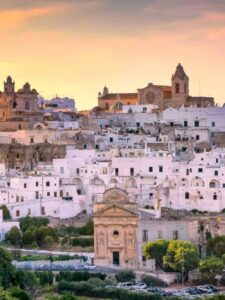
Buying a house in Puglia in 2026: the real prices, province by province
Bari at 2,070 euros a square metre, Taranto at 931, Lecce climbing 7.8% while the region moves 0.8%. And on the other side, the Apulian towns selling houses for one euro.
CONTINUE READINGLatest news
- Historia 2026 in Gravina in Puglia: the programme of the historical pageants, 18-20 September
- What to bring back from Puglia: a guide to souvenirs that are worth it
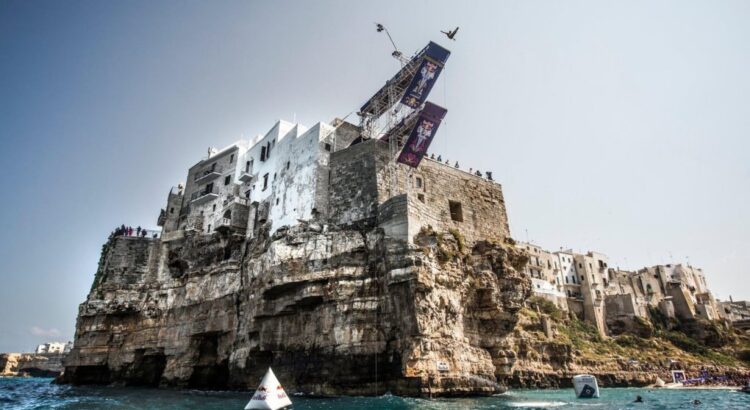
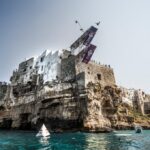
- Red Bull Cliff Diving 2026 in Polignano a Mare: dates, where to watch and how to get there
- Frederick II’s Puglia: the castles, and where Selvaggia’s story really begins

- Grape mostarda: why Puglia gives the mustard’s name to a grape preserve
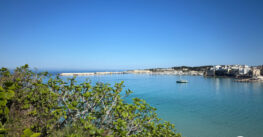
Events in the Salento in September 2026: sagre, feasts and the sea
The September 2026 calendar in the Salento: village sagre, patron saints’ feasts and the oldest wine festival in Italy, each one marked with whether the date is confirmed. Plus where to swim once the beaches empty out.
Apulian food festivals in September
What a sagra is, what you eat, what it costs – and how to tell whether the date you found online is this year’s or last year’s. Plus what is on in Puglia in September 2026, with the confirmation status marked.

Before the Concertone: when the pizzica was something to hide
On 22 August 2026 tens of thousands of people will dance the pizzica in Melpignano at the 29th Notte della Taranta. For most of the twentieth century that same music was peasant music, best not mentioned in front of strangers. How an embarrassment became an identity.
The day of the sauce: when the last Sunday of August stopped everything
Crates of tomatoes, the hand-cranked mill, the fizzy-drink bottles washed since January and the method called alla manta, which takes its name from the blankets: what the last Sunday of August looked like in an Apulian courtyard.
The Man of Altamura
A Neanderthal skeleton fused into the rock of a cave, and still exactly where it fell.
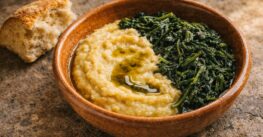
The Apulian Mediterranean diet: the 10 foods people here actually eat
Not the version in the nutrition books, but the everyday table of people who have lived here for generations: from extra virgin oil to broad beans and chicory, from native pulses to durum wheat pasta and local red wine.
It is called africano, and everyone wants one: the cake of Galatina
In Galatina, next to the pasticciotto, there is the africano: a sort of meringue made with the yolks instead of the whites. You will not find it anywhere else in Italy.
Why home-made tomato passata turns watery, and how to stop it
Your home-made passata has separated from its water? It is almost always a question of cooking. Why it happens, how the double boil prevents it, and how to strain the pulp if you bottle raw.