Before central heating, winter in Puglia was spent around a metal basin full of embers: the brazier, called frascera in the Salento and frascere in Molfetta. People warmed their feet on it, roasted chestnuts on it, dried the washing around it and told stories until the children fell asleep. This is what it was like, and where you can still see one.
In the evening, in the main room, everything turned around it. Chairs in a circle, feet resting on the wooden rim, grandmother with the little shovel in her hand, stirring the ash now and then to bring the red back up. Outside the north wind, the tramontana; inside a warmth that reached the knees and stopped there: for your back there was the shawl. And a smell nobody who knew it ever mistakes for anything else, charcoal and mandarin peel.
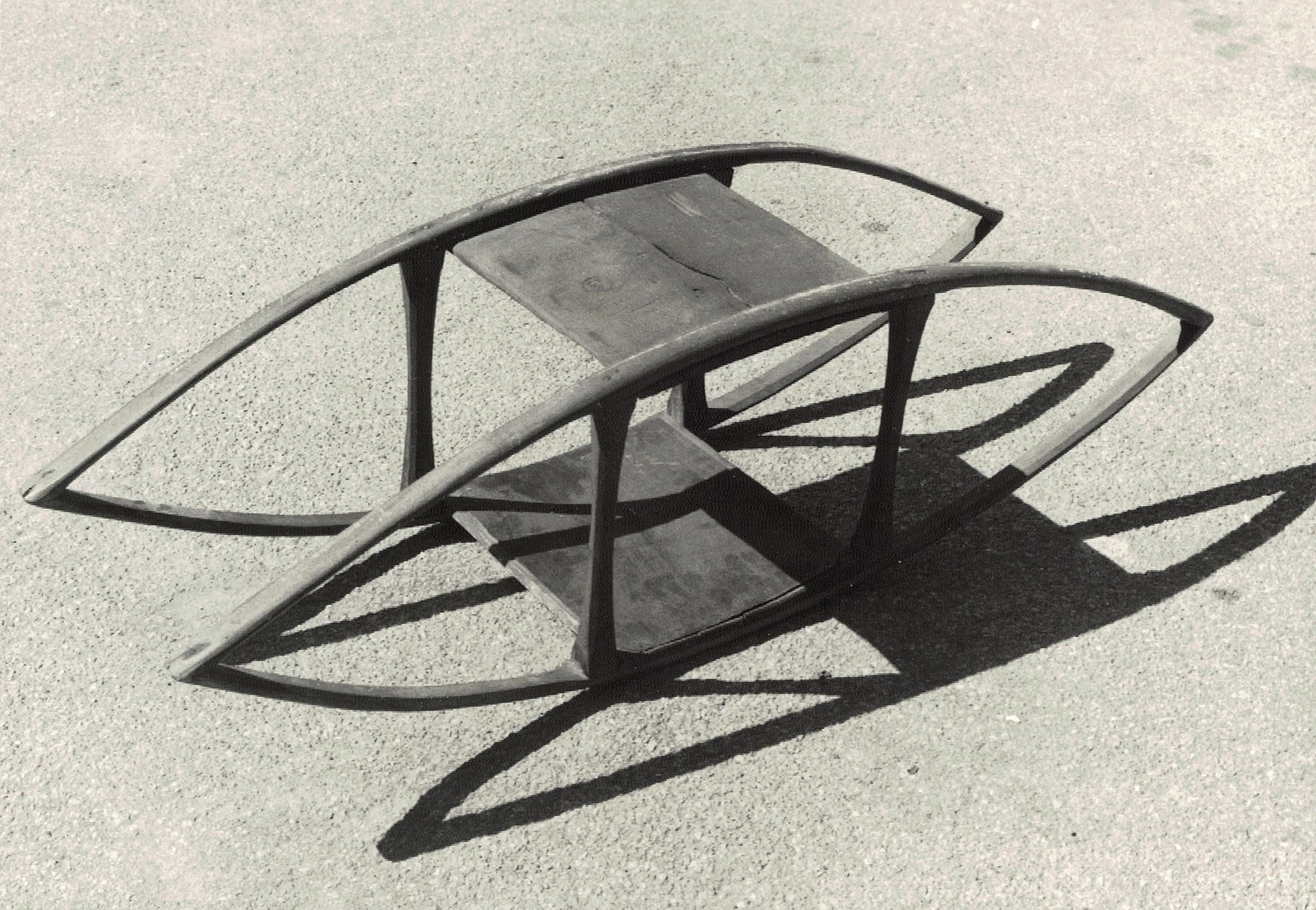
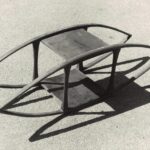
The «monaca» (the nun): the wooden frame that held the pot of embers and meant you got into a warm bed.
A different name in every town
In the Salento, the very tip of the heel of Italy, the dialect dictionary of Scorrano compiled by Giuseppe Presicce gives frascera, and brascera in other villages: the word comes from brasa, a burning coal, the same root as the Italian brace, embers. The example sentence under the entry is a household order: «Ccoji tutta la roscia de sutta llu focalire e mmintila intra lla frascera», gather all the embers from the fireplace and put them in the brazier. In Oria, near Brindisi, the frascera is a round container, usually brass, for the burning coals, the crauni. In Molfetta, north of Bari, it becomes frascere, and it was the woman of the house who ran it with the palettùddë, the small iron or brass shovel.
What it looked like
A round, deep basin of copper, iron or brass, often with two handles, sitting on a ring of wood that raised it off the floor: at the museum in Latiano the ring is called the cerchio, the circle. Those who felt the cold most rested their feet on it. Some houses also had a bell-shaped cover to keep the women’s long skirts away from the fire.
The fire was made months ahead
In Rutigliano, near Bari, a woman who was a child in the 1930s recalls that in summer the vine prunings were burned and the fire put out just as the wood was turning to charcoal: that charcoal was kept for the winter. In Molfetta charcoal, carveneddë, was also made from almond husks dried on the pavements and the rooftops; anyone who had none bought it by weight from the travelling charcoal sellers and their carts. In Laterza, near Taranto, even stripped corn cobs ended up in the brazier.
To liven up the embers a cardboard fan was enough, or your own breath. And mandarin or lemon peel was thrown on the ash to cover the smell of the charcoal.
What was cooked on the embers
In the Salento, grandmothers roasted chestnuts on the brazier after dinner. Around Bari, stale bread was toasted and eaten with one of the tomatoes kept hanging in bunches for the winter; homemade little taralli, pumpkin seeds and peppers went on the coals too. And all around, on an iron grid so it would not scorch, the washing dried: the museum of rural life in Gioia del Colle displays a clothes dryer made for the brazier.
Stories, the rosary, cards
In Molfetta the old people told each other memories of their youth, anecdotes of their grandparents, proverbs; the children listened in silence. A man who grew up in the 1960s remembers falling asleep with his head in his mother’s lap as she told him fairy tales. In Cerignola, in the province of Foggia, when the doorbell rang relatives and neighbours came in: the children went to play in another room, the grown-ups played cards over a small glass of anise liqueur. In the Salento the poet Antonio Damiano put those evenings into verse, «Ntornu dha frascera, tiempu rreta» (around the brazier, in times gone by): the rosary and li cunti, the stories.
The bed warmer and the «nun»
Before bed, some of the embers went into the bed. At the museum of the arts and traditions of Puglia in Latiano you can see the copper pot, filled with embers, and the monaca, the «nun»: a wooden frame with a metal sheet in the middle, on which the pot was set to warm the bed. In Latiano the bed warmer is called scarfaliettu. The reconstructed bedroom of the museum in Laterza has the same object, «a sort of pot with charcoal inside, resting on a base».
A memory, not a recommendation. Embers in a closed room give off carbon monoxide, a colourless, odourless gas. Italy’s National Institute of Health advises never to use ovens, stoves or braziers to heat a room; the first symptoms of poisoning are headache, dizziness, weakness and nausea. The family brazier is best where it is today: in a display case.
Where to see one
The museums of rural life keep them: in Latiano, in Laterza, in Gioia del Colle, in the ducal palace of Tuglie and in the ethnographic museum of Oria, at the sanctuary of San Cosimo alla Macchia. Check opening times before you go.
Read on. Meanwhile, under the squares of the Salento, the mill hands spent the winter underground: read the oil mill of the past. Autumn was also the time of homemade vincotto. And for something to nibble in the evening, there are the sweet taralli with vincotto.
How this piece was written. The dialect names, the objects, the fuels and the customs come from the dialect dictionaries of Scorrano and Oria, from accounts collected by the local press in Molfetta, Rutigliano and Cerignola, and from the museums of rural life in Latiano, Laterza, Gioia del Colle and Tuglie; the carbon monoxide warning comes from Italy’s National Institute of Health. The opening scene — grandmother’s shovel, the north wind, the shawl, the smell of charcoal and mandarin — comes from oral memory and is told as such.