In short. The full recipe for friselle from the Salento: the starter, the exact proportions, the double baking that makes them properly hard, and the Salento way of soaking them — with the sponza frise, the object made for the purpose. Reckon on 600 g of flour, three times in the oven and a little patience.
Friselle are rather like taralli: there is no set hour for eating them. They are good at any time of day and will quite often stand in for a meal. Buying them online is genuinely convenient, but every so often it is fun to make them at home. A few ingredients and a domestic oven are all you need. Here is how.
🥖 The ingredients
You start with what Italians call the lievitino — a small pre-ferment — and then move on to the dough proper. For the starter:
- 50 g of type 00 soft wheat flour
- 50 g of water
- 3 g of fresh brewer’s yeast
To that you will then add:
- 300 g of durum wheat semolina
- 300 g of type 00 flour
- 330 g of water
- a heaped teaspoon of fine salt
👐 How to make them
- Start with the pre-ferment. Pour the water into a bowl and dissolve the yeast in it. Put the flour into a second bowl and add the water and yeast slowly. Mix well with a fork. Leave it to rise for two hours at room temperature, or until it has doubled.
- Now take a large bowl and put in the flour and the semolina. Mix the two, add the water, then add the pre-ferment you made earlier. Add the salt last and knead again for several minutes. Shape it into a good round and leave it to rise.
- That is the base dough. Now you shape the friselle by hand. Our advice is to roll sausages of dough and close each one into a ring. There will be a hole in the middle, and it is much easier done this way.
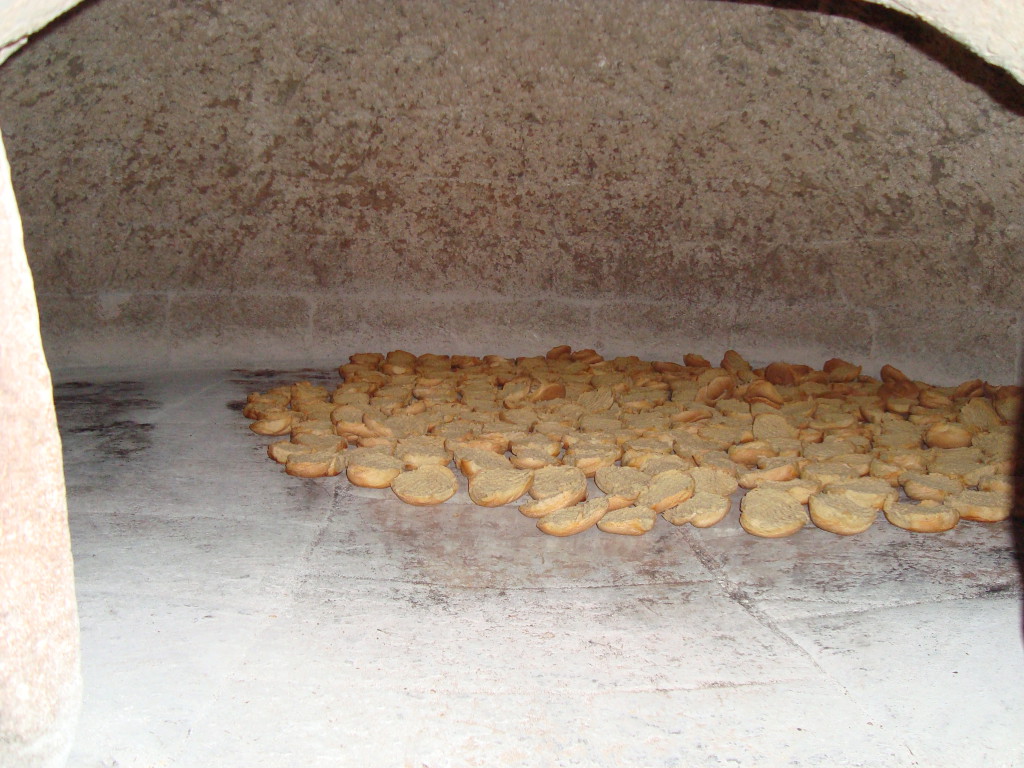
- Lay the rings on a baking tray lined with baking paper and let them rise again. Then bake for 20 minutes at 220 °C — in a conventional oven, not fan-assisted. When the rings are ready, cut each one horizontally in two with a serrated knife.
- Back into the oven for 40 minutes at 170 °C, and another 40 minutes at 140 °C. The result should look good and taste better. The friselle will be golden; if they are not, put the temperature up a little.
Why three bakings. It is the double baking after the cut that makes a frisa a frisa: it dries the crumb right through and gives it the hardness that keeps for weeks. That is also what separates it from bread — and why it has to be soaked before you can eat it.
Kept somewhere cool and dry, these friselle will last for days. Use them as you go, soaking them in water and then dressing them however you like.
💧 How to dress a frisella
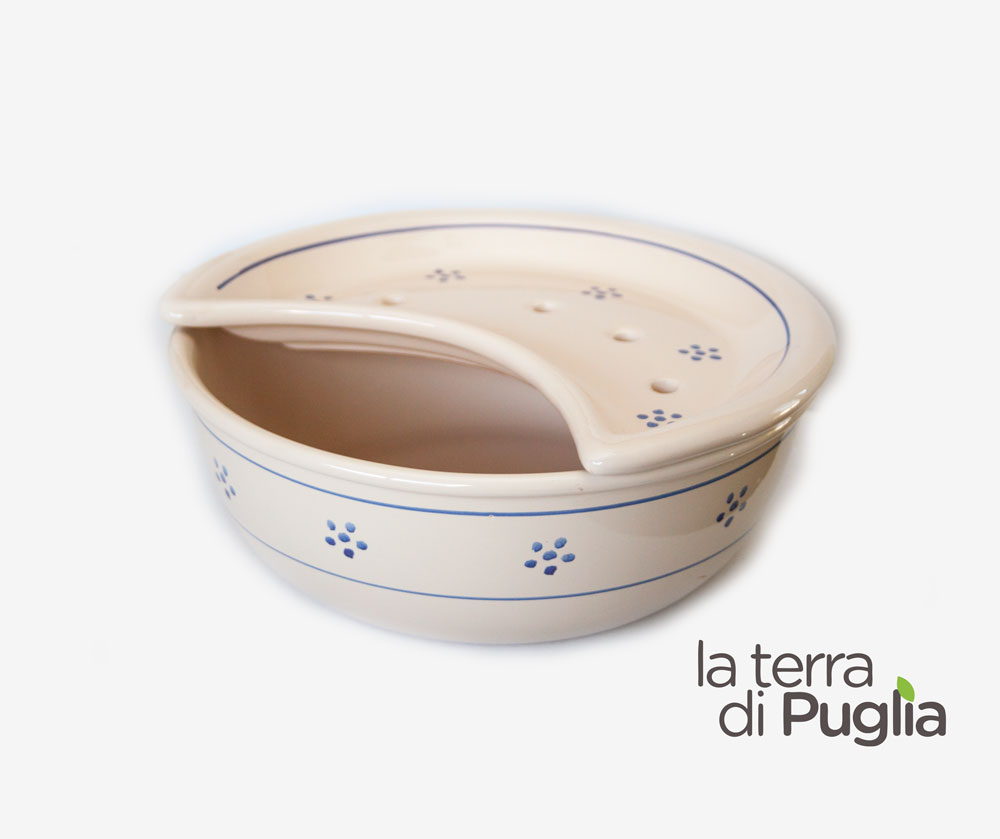
First you soak them. Hold them under for as long as you like: some people want them still crunchy, others prefer them soft all the way through.
In the Salento nobody uses an ordinary bowl for this. There is an object made expressly for the job, called a sponza frise. Sponzare, in Salento dialect, means to put something in to soak.
The basic dressing
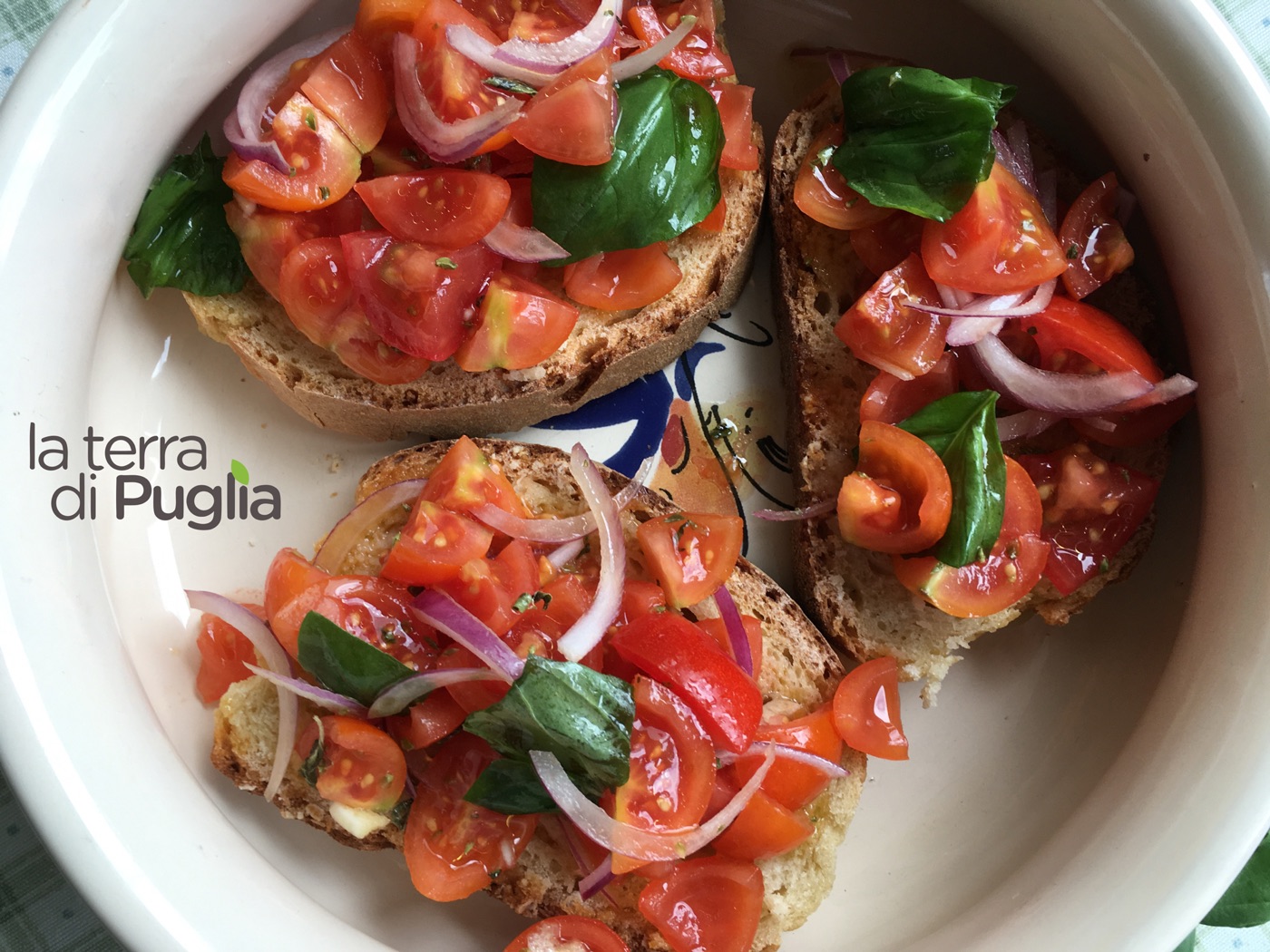
Drain them and lay them on the plate. Now dress them with whatever you like. The classic Salento dressing has the frisa rubbed with good fresh tomato, then Apulian olive oil — extra virgin, needless to say — and salt.
After that it is up to you: grilled vegetables, fresh or preserved in oil, tuna, fresh onion, celline or leccine olives, the small Salento cucumbers called carosello, and a great deal more.
If you would rather not heat the oven three times, our Apulian friselle and frisellina arrive already baked, along with the extra virgin olive oil and the preserves you need to dress them. Same thing, without the hundred minutes of oven.
More on this bread: the frisella, the bread of the Apulian summer, and the ready-to-eat version, seasoned frise.