In short. Massafra is built along a canyon fifteen kilometres from Taranto, with cave dwellings and rock churches cut into its walls. It has one of the oldest carnivals in southern Italy — and a long, entirely serious tradition of witchcraft, with its own vocabulary: the macare, and the spells they were paid for.
Two things make Massafra worth the detour from Taranto: a ravine you can walk into, and a body of folklore that the town has never quite stopped believing.
The ravine and the cave churches
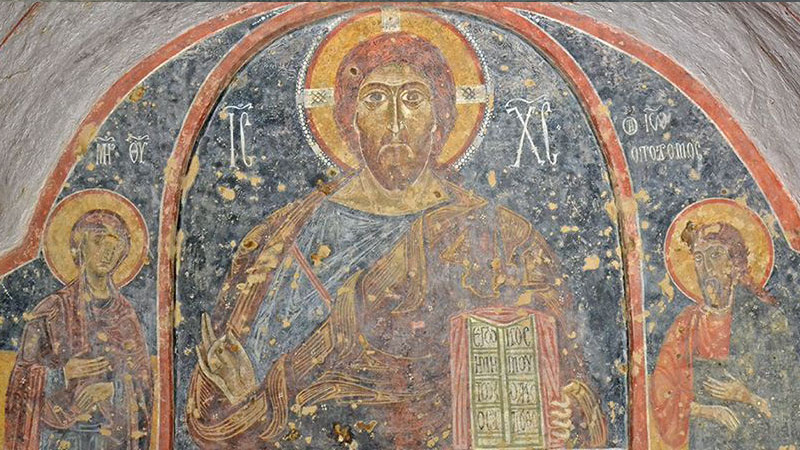
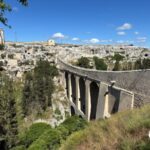
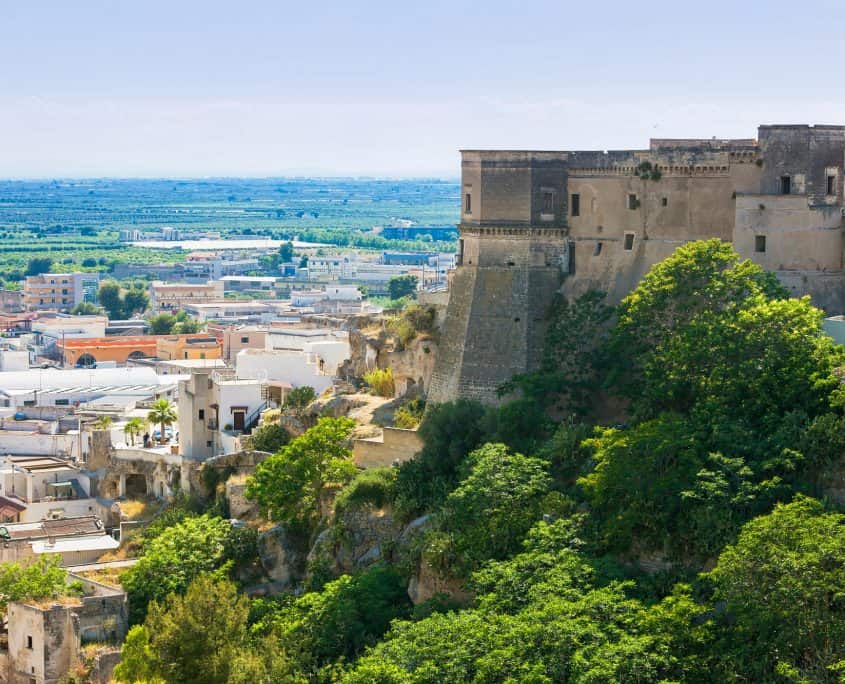
The Gravina di Massafra is a canyon cut by the river Lato, and the paths along it are the best walking in the province. Along the way are rock churches and caves — the cave settlements of the Gravina di San Marco are the best known — used as dwellings and shelters since prehistory and now the reason people come.
What a gravina is. Not a valley and not a gorge in the alpine sense: a gravina is a deep, narrow ravine eroded into soft limestone, with near-vertical walls. Because the rock is soft, people cut into it — houses, churches, storerooms, tombs. Around Massafra the result is a whole vertical settlement in the side of a canyon, and it is walkable.
The witches
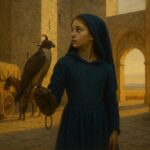
The macare, and what they were paid to do. Massafra is known for its macaríe — magical rites performed by the macare, women held to be capable of every kind of spell, for good and for ill. They were feared and respected across the region in equal measure. The speciality here was fascinazione: binding one person to another. Love philtres and potions made to produce love and lead to marriage — used above all by girls looking for a husband, and by young men whose feelings were not returned. It is folklore, and in Massafra it is folklore with addresses: the town is full of places attached to stories of witches and ghosts, and the castle has its own set.
The carnival
Massafra’s carnival is one of the oldest and most colourful in the south. The allegorical floats are built by local craftsmen and the parades pull in thousands of visitors every year — but the point of it locally is the traditional masks and the customs that come with them, which is a different thing from a tourist parade.
Beyond carnival the calendar is full: patronal feasts, food festivals and markets keep the centre busy through the year.
Eating, and what they make
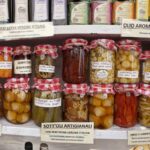
Olives, tomatoes, figs and wine are the produce of the country here, and the cooking is straightforwardly Mediterranean. Orecchiette with a meat ragù or a simple vegetable sauce is the dish, as it is across the region.
Massafra also has its own ceramic tradition, with workshops in the old town where the techniques have been passed down — smaller and less known than the one twenty minutes away at Grottaglie, but real.
Around it
Taranto is fifteen kilometres away. West along the same line of ravines is Castellaneta, and the whole area belongs to the regional park of the Terra delle Gravine.
Massafra is the cave town of the Ionian coast — history, canyon and superstition in the same afternoon.