In short. Vegetables are not a side dish in Puglia — they are most of the cooking. Wild bulbs, peppers, aubergines, pumpkin, mushrooms and broad beans, mostly finished with breadcrumbs or good oil.
A region that ate meat rarely learned to do a great deal with what grew, including things that grow wild and have to be dug up.
Vegetables are not a side dish here
In most of Italy the contorno arrives after the main course, in a small dish, as an afterthought. In Puglia it is frequently the meal — and historically it always was. Meat appeared on a peasant table on feast days; vegetables appeared every day, and the cooking that grew around them is the reason Apulian food is what it is.
That inheritance is why an Apulian menu still lists more vegetable dishes than anything else, and why a table of antipasti here is mostly things that came out of the ground.
What the seasons give
- Winter — turnip tops, wild chicory, cauliflower, cabbage, broad beans dried from the summer before. This is when the region eats best, whatever the tourist calendar says
- Spring — fresh broad beans and peas, wild asparagus, artichokes, the first courgettes
- Summer — tomatoes, aubergines, peppers, cucumber; the season of cialledda and of everything eaten cold
- Autumn — cardoncelli mushrooms from the Murgia, pumpkin, the olive harvest and the new oil
The wild ones
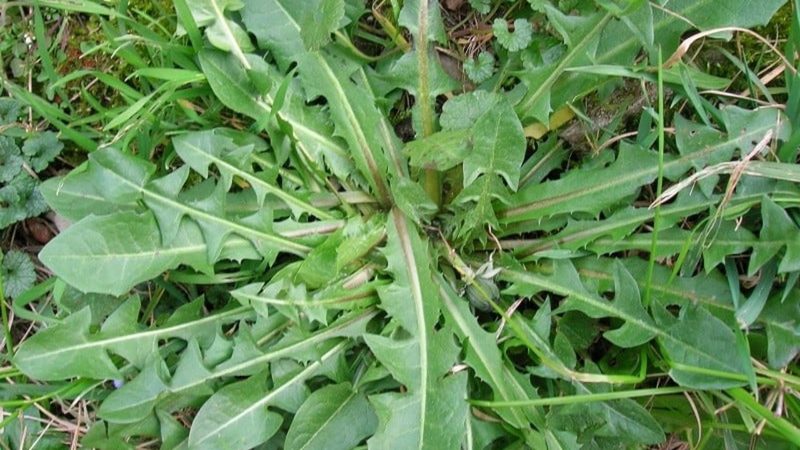
Some of the best things on this list are not farmed at all. Lampascioni are wild bulbs dug out of uncultivated ground and they take four or five years to grow. Wild chicory — cicorielle — is gathered in the fields in winter, and there are still people who go out with a knife and a bag to get it.
Foraging is not a lifestyle choice here. It is what people did because there was nothing else, and it survived because the results are better than the farmed version.
The three ways a vegetable is cooked in Puglia. Boiled and dressed with raw oil; stewed slowly with garlic and chilli; or baked under mollica — breadcrumb with garlic, parsley and oil, the technique called arraganato. Almost every recipe on this page is one of those three.
The recipes
- Lampascioni — the wild bulbs, boiled, fried or baked
- Cardoncelli mushrooms au gratin
- Peppers au gratin
- Filled aubergines
- Pumpkin with ricotta forte — a Brindisi dish
- Fried broad beans
- Cialledda — bread, water and summer vegetables
- Anchovies in vinegar
The whole collection is on the Apulian recipes page.