Baked lampascioni with potatoes are one of the oldest recipes in Puglia: wild hyacinth bulbs, soaked to soften their bitterness, scored with a cross and roasted with sliced potatoes and plenty of olive oil until they open like a flower. The recipe, why the cross matters, and a little of the long history of this bulb.
Baked lampascioni: one of the oldest Apulian recipes
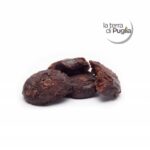
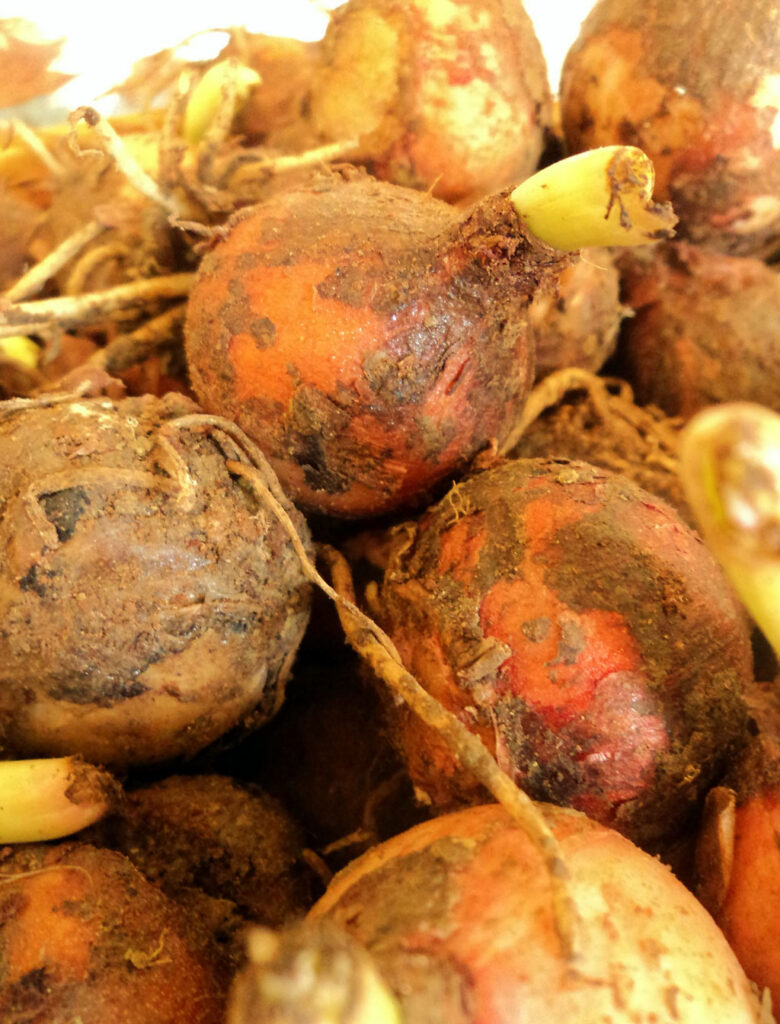
Baked lampascioni are one of the oldest and most delicious recipes of Puglia. These small bulbs, often mistaken for onions, are prized for their pleasantly bitter taste. They are not onions, and they are certainly not berries, whatever the name suggests to an Italian ear: they are the bulbs of a wild plant, Muscari comosum, the tassel hyacinth. For anyone who likes to explore the traditional cooking of Italy, they are a fascinating discovery. Everything else about the bulb, from its dialect names to the other ways to cook it, is on our lampascioni page.
Where lampascioni come from
The plant has a long and distinguished past. It was already known to the Greeks and Romans, as the writings of Galen, Pliny and Theophrastus show, and those ancient authors credited the bulbs with various virtues, among them laxative and diuretic effects. Growing lampascioni is not easy: the bulb needs four to five years to reach maturity. They are wild bulbs that grow in uncultivated ground, and they are also known as muscari.
From Pliny to the Apulian table. In his Natural History Pliny the Elder mentions the bulbs of Muscari comosum as a food eaten by the Romans, and credits them with tonic and aphrodisiac powers. Theophrastus describes the plant as a wild one gathered in the southern countryside, and Galen lists it among his botanical remedies for digestive troubles. In two thousand years medicine has moved on, but lampascioni have stayed exactly where they were: in the Apulian countryside, underground, 15 to 20 cm down, ready to be dug up by hand just as they were in antiquity. Few ingredients in today’s kitchen can claim such a long written history.
How much lampascioni matter in Puglia
Lampascioni are loved all over Puglia, and above all in the Salento, the far south of the region. In San Severo, in the province of Foggia, there is a procession in honour of the Madonna dei Lampascioni, with a traditional fair: a feast that shows how much this bulb means to local culture. There is even an Accademia del Lampascione, founded to promote the bulb and the many traditional Apulian recipes that use it.
In the cooking of the Apulian countryside, lampascioni are a basic ingredient, in recipes that range from the very simple to the more elaborate. Among the best loved are fried lampascioni, lampascioni preserved in oil and, of course, baked lampascioni.
Baked lampascioni with potatoes
For this dish you need:
- 500 g fresh lampascioni, cleaned and soaked
- 500 g yellow-fleshed potatoes
- Apulian extra virgin olive oil, generously
- Salt and pepper to taste
Here is how to proceed:
- Clean the lampascioni and leave them in water for at least six hours, to remove some of the bitterness.
- Dry them and score the base with a cross.
- Peel the potatoes and cut them into slices.
- Arrange the lampascioni and potatoes in an oiled baking tin, and season with salt, pepper and extra virgin olive oil.
- Bake at 180°C for about an hour, turning them halfway through.
Why the cross matters. The cut at the base of each bulb is not decoration: it has a precise job. In the oven the heat works its way from the outside of the bulb to the centre. Without the cut, a lampascione cooks unevenly, burnt outside and raw inside. The cross opens the outer layers, lets the oil and flavourings in and speeds up the cooking at the heart of the bulb. It also gives baked lampascioni their best-known look: as they cook the bulbs open slightly, like a flower, and the cut edges caramelise. For an even tastier result, tuck a small sliver of garlic and a few leaves of fresh thyme into the cross.
The oil is half the dish, so it is worth using a good one: here is our guide to Apulian extra virgin olive oil.
Other ways with lampascioni
Besides being eaten fresh, lampascioni can be preserved in oil or in vinegar, and there are also lampascioni fritters, a fried version typical of Apulian cooking. The many recipes that use them show how versatile this bulb is, from simple dishes such as boiled lampascioni to more elaborate ones such as lampascioni meatballs. You will find more vegetable dishes and antipasti from the region among our vegetables and starters.
Questions about lampascioni
How do you take the bitterness out of lampascioni?
Soak them in cold water for several hours, changing the water once or twice. Another method is to boil them briefly before using them in the recipe.
When are lampascioni in season?
The best period for fresh lampascioni is from late January to April. Preserved in oil, they are available all year round.