In 2025 45% of the visitors to Puglia came from abroad, a record for the region. France, Germany and the United States lead the way, but they do not come looking for the same thing. Here is what the official figures say about each of the three markets: what they look for, where they go, what they take home and when they travel.
One number sums up the Puglia of today: 8.6 million overnight stays by foreign visitors in 2025, 25% more than the year before. Over twenty years international arrivals have grown by 450%. Puglia is no longer a secret passed between connoisseurs: it is a deliberate choice made by mature markets, with clear expectations and money to spend.
But “foreign tourist” is not one category. A French visitor arriving in Puglia wants something different from a German one, and an American often has a picture of the region built on years of newspaper travel pieces and on friends who “have been there and don’t want to tell anyone”. Understanding those differences is useful for anyone who welcomes visitors, sells to them, or simply wants to know how international tourism really works in the south of Italy.
The numbers: who the foreign visitors are
The figures come from the report presented by Pugliapromozione, the regional tourism agency, at the BIT travel fair in Milan in 2026.
- France: more than 1.2 million overnight stays, up 22% on 2024, the first foreign market.
- Germany: 1.1 million overnight stays in 2025, the second European market.
- United States: the first market outside Europe, and the one whose growth has drawn the most attention in recent years.
- Overall: foreign visitors made up 45% of all tourists, a record, and spent 1.8 billion euros in the region in 2025.
Volume, though, is not the most interesting part. What matters is the kind of demand. Foreign visitors to Puglia, the French and the Americans above all, travel for experiences rather than for low prices. They come for something specific, not because it happened to be cheap.
The French: Puglia as authentic luxury
France has been Puglia’s leading foreign market for years, and the 22% growth of 2025 shows the bond is getting stronger. According to the 2025 report on Italian food and wine tourism by Roberta Garibaldi, 63% of French food and wine travellers name Puglia as an attractive Italian destination, behind only Tuscany and Sicily.
What sets the French apart is that they see food and wine as a form of luxury, not in the sense of a five-star hotel but in the sense of treating themselves to something genuine and of high quality. 36% of them say so explicitly. And the deciding factor in choosing where to go is the countryside: 88% of French travellers put the beauty of the rural landscape first, the highest share of any market studied.
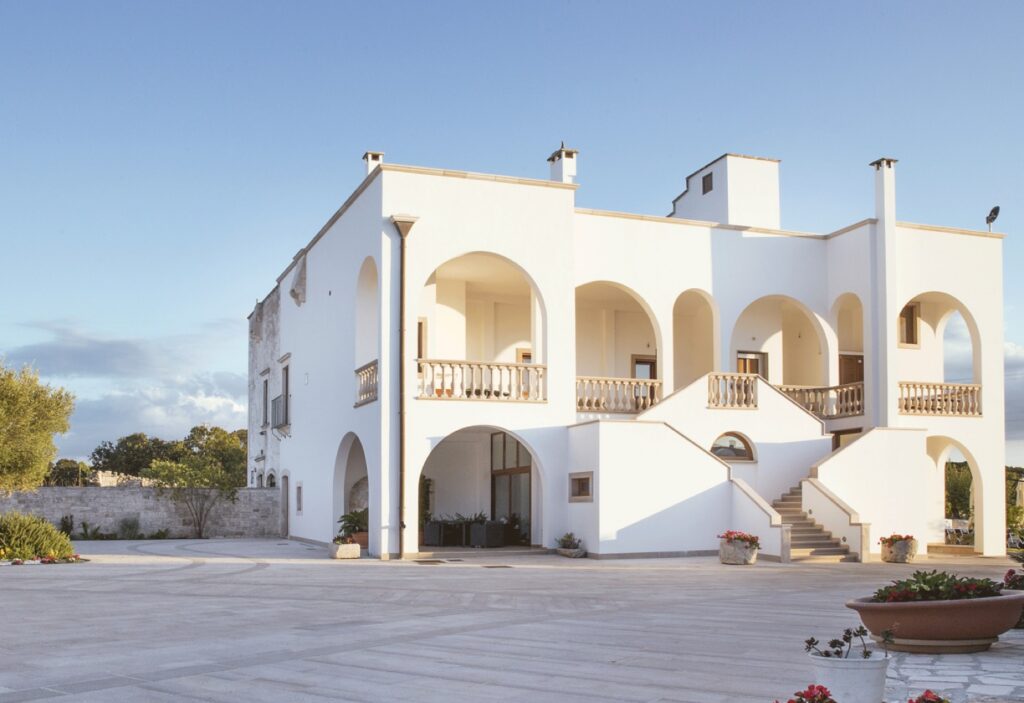
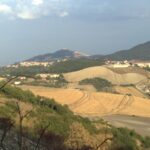
In Puglia that means masserie (the old fortified farmhouses), olive groves, the open country of the Murge plateau and the Valle d’Itria. Not only the sea. Many French visitors already know Tuscany and Provence; they come here for something rougher, more alive, less polished.
At the table, the French are the most likely to seek out local restaurants (68% include them in the trip) and dairies (34%, the highest share of any market). Burrata from Andria or a caciocavallo made from the milk of Podolica cattle is not a souvenir for them: it is a deliberate gastronomic purchase.
As for booking, digital channels matter a great deal for the French, as they do for the Americans. 18% already plan their trip with tools that use artificial intelligence, the highest share in Europe alongside the United States. Being visible online, on GetYourGuide, Viator and Airbnb Experiences, counts as much as traditional advertising, if not more.
- What they look for: rural landscape, masserie, food and wine as authentic luxury, villages that are not overcrowded.
- Where they go: the Valle d’Itria, the Salento (Lecce above all), the Murge, much less the Adriatic coast in August.
- What they buy: extra virgin olive oil, cheese, preserves, local wine, products with a recognised origin.
- How they book: online and in advance, with AI tools growing fast.
- When they come: spring and September, avoiding the summer peak just as the locals do.
The Germans: nature, quiet and real countryside
Germany is Puglia’s second European market, with 1.1 million overnight stays in 2025, and the German visitor has a very clear profile, quite unlike the French one.
For Germans, Italy means above all food and wine: 55% associate the country first with those two things, according to the same 2025 report. But what leads them to choose one destination over another is something more specific: immersing themselves in rural landscapes. Not art cities, not beaches. The countryside, the white gravel lanes, the olive trees, the silence.
In that sense Puglia could almost have been designed for them: it offers exactly the mix of untamed nature, real farm produce and a slow pace that German travellers look for and struggle to find at home or in the classic Mediterranean resorts.
- Favourite experiences: winery visits (up to 36%, the highest of any market), local trattorias, country walks, cycling.
- Where they go: the Gargano promontory, loved for its nature and its walking routes, the Valle d’Itria, the Murge, and more and more the inland areas rather than the coast.
- How they book: Germans are the most likely of all the markets studied to decide on the spot. Less planning online in advance, more flexibility on the road, which leaves them harder to reach through digital channels but more open to what they find once they are here.
- When they come: May and June, September and October, avoiding the August heat and looking for weather that suits walking and being outdoors.
The German visitor is probably the one who knows Puglia least, in the sense that they often arrive with open expectations, less shaped by years of lifestyle articles. That is an advantage: they are easier to surprise, and more likely to leave with their expectations exceeded.
They are also the market most attentive to sustainability and to the environmental cost of travel, which fits the direction Puglia has set for itself for 2026-2030: slow tourism, spread across the region and across the seasons.
When it comes to products, Germans buy at the winery, buy cheese, buy oil. But they are also the most keen on hands-on experiences: a grape harvest, a visit to an olive mill, a pasta-making class. Not just buying the product, but understanding how it is made.
The Americans: Puglia as a place “to discover”
The United States is Puglia’s first market outside Europe, and its growth in recent years has received the most attention, including in terms of promotional spending.
The American relationship with Puglia runs on a precise mechanism: word of mouth. 60% of Americans name advice from friends and family as their main source when choosing a destination. Puglia has become one of those places that “people who have been there keep to themselves”, which is exactly why they end up telling everyone. It spreads among people with medium to high incomes, interested in experiences, who trust personal recommendations more than advertising.
- What they look for: themed experiences (69%, the highest of any market) and gourmet restaurants (59%). An American does not come to Puglia simply to “eat Italian” but for a specific food experience, with a story, a place and a producer with a name.
- Main motivation: trying something new (52%), the same as British travellers, but with a larger budget.
- Where they go: Lecce first of all, for its Baroque, its light and its liveable size. Then Alberobello, whose trulli are iconic in the United States, Ostuni and the Adriatic coast of the Salento.
- How they book: online and well in advance, with AI planning growing fast: 21% already use it, the highest figure of any market studied.
- When they come: May and June, and September, when the weather is at its best and places are not yet overwhelmed.
Americans spend more than the other two markets. Their average spend per stay is higher than that of French and German visitors, and they are drawn to experiential luxury that the Italian market still struggles to meet: a private tour of a masseria with a tasting, a cooking class with a local cook, a visit to an olive mill followed by dinner.
The challenge, and the opportunity, is to build offers that answer this demand professionally, with flawless English and a presence on the international booking platforms.
What all three want
French, German and American visitors have different profiles, but they agree on a few things, and those explain why Puglia works as an international destination and what it will need to work on.
- Rural landscape: more than 80% of all three markets count the countryside among the deciding factors. Farming Puglia, with its olive groves, masserie and white lanes, is worth as much as coastal Puglia, or more.
- Real local restaurants: not the tourist places with laminated menus and photos of the dishes, but the ones where locals eat, cooking local produce and run by people who care.
- Authenticity, not performance: none of the three wants staged folklore. They want the real thing: an olive mill that actually presses olives, a masseria that is still a farm and not only a boutique hotel, the morning market where people shop for their lunch.
- Off-season by choice: all three avoid August when they can and come in spring and autumn, which matches the region’s own strategy of spreading tourism across the year.
What they take home
Foreign visitors do not only come to look: they want to take something physical home. A product that becomes a memory of the trip and, more often than not, is given or shared with friends and family, which starts the word of mouth all over again.
The Apulian products foreign visitors look for
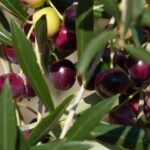
- PDO extra virgin olive oil: the number one product. French and American visitors want it with a named origin and a producer’s story, not an anonymous “Apulian oil”.
- Artisan pasta, orecchiette above all: now known worldwide; well-informed visitors look for pasta made with local durum wheat and drawn through bronze dies.
- Local wine, Primitivo and Negroamaro: Germans visit the wineries, Americans buy from wine shops, and all three want wines tied to a place.
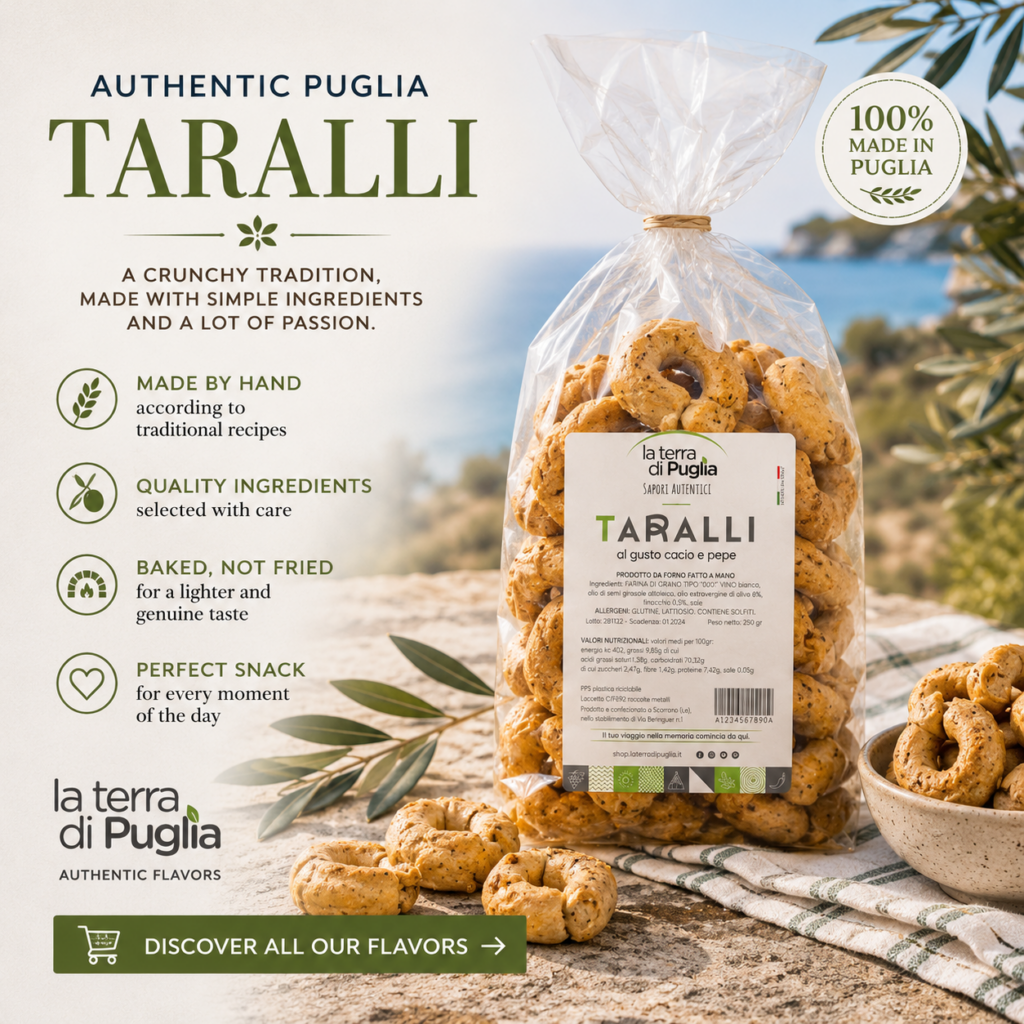
- Taralli and baked goods: easy to pack, authentic, recognisable, the ideal food souvenir at every budget.
- Vegetables in oil: aubergines, lampascioni (wild hyacinth bulbs), artichokes, peperoni cruschi (crisp dried sweet peppers). For the French in particular they are a serious food purchase, not a souvenir.
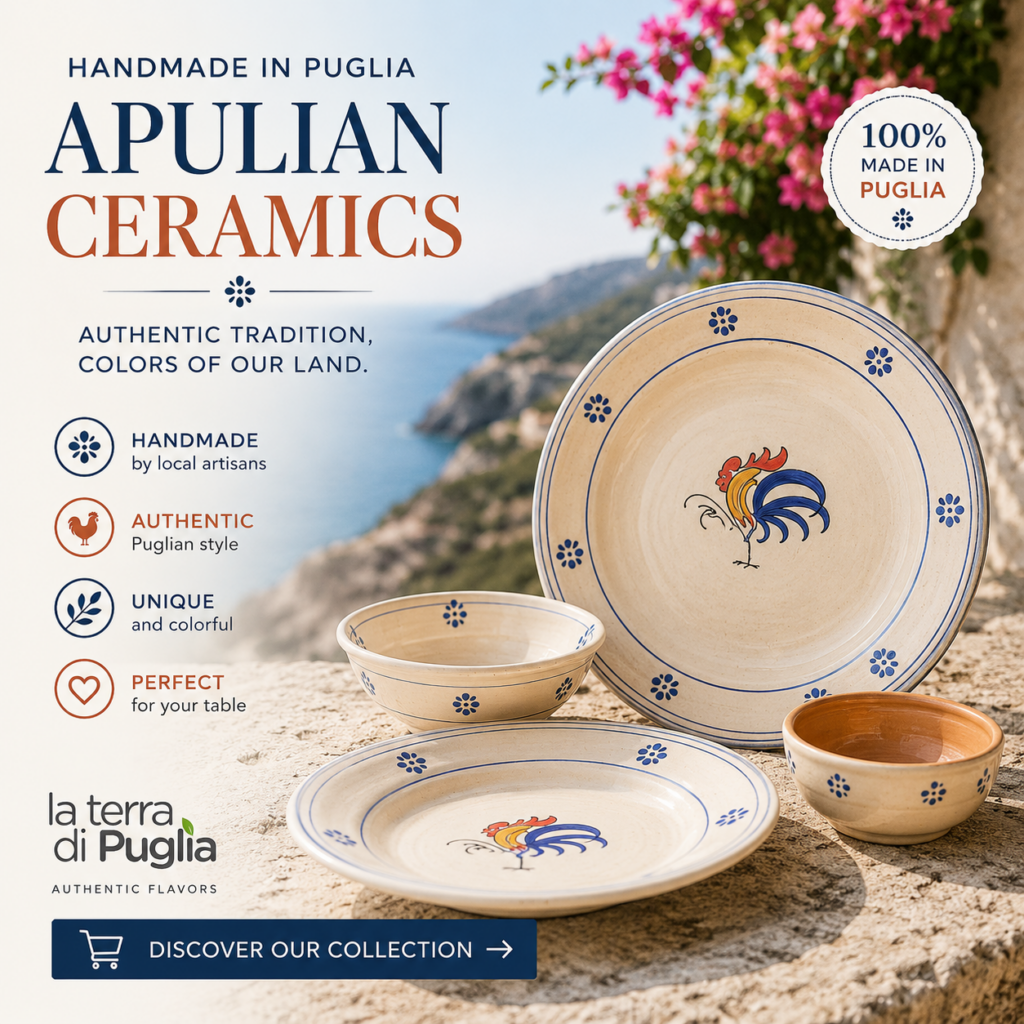
- Ceramics from Grottaglie: the craft product Americans look for most, a one-off piece, made by hand and rooted in a place.
You will find more ideas in our guide to what to bring back from Puglia, and the products themselves in our online shop.
In short: why Puglia works for international travellers
- It is no longer a discovery but a conscious choice: the foreign visitor who books Puglia in 2026 has already read about it and heard it recommended by someone they trust.
- They look for experiences, not sights: the olive mill, the masseria, the winery, the pasta class. Meeting producers is worth more than any monument.
- They spend well when they find quality: 21 to 60 euros for a meal, 21 to 40 for a winery tasting. Realistic budgets, not extreme luxury, but a willingness to pay for something genuine.
- They come in the low season: spring and autumn, exactly when Puglia is at its most beautiful and least crowded. If you are wondering when to go, here is why September is the best month.
- They come back and bring others: word of mouth drives all three markets. One good experience is worth more than any campaign.
Puglia understood this before many other Italian regions. International tourism is not bought with slogans: it is built on the quality of the products, consistent hospitality and the ability to tell true stories. If you are planning your own trip, the Valle d’Itria and Baroque Lecce are where many of these travellers begin.
Sources: Pugliapromozione Tourism Observatory, BIT 2026 report; Report on Italian Food and Wine Tourism 2025 (Roberta Garibaldi / AITE); Istat/SPOT data covering 92% of Puglia’s accommodation capacity.
You must be logged in to post a comment Login