In short. Apulian food is vegetable-first, bread-obsessed and built on olive oil. If you order the way Italians do here, you will eat better: the antipasti are the best part of the meal, and in many places they are a meal.
A first-timer’s mistake in Puglia is treating antipasti as a small opening course. Here they arrive as eight or ten separate plates, and they were not designed to be a warm-up.
🍆 Start with the antipasti — and pace yourself
Apulian antipasti came late to the tradition, and they came from the opposite direction to what you would expect. In peasant cooking there was no starter: there was the meal — one dish, generous, made from what the land or the sea gave.
Aubergine parmigiana, gratinéed mussels, bread balls, lampascioni in oil: these were complete dishes. Prosperity and the restaurant trade turned them into opening courses. The result is paradoxically richer than the original: an Apulian antipasto can be a full meal on its own.
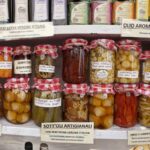
What turns up on the table. From the sea: gratinéed mussels, pepata di cozze, anchovies in vinegar. From the land: aubergine parmigiana, roast peppers, caponata, turnip tops with garlic and chilli, bruschetta with wild chicory and broad bean purée.
🍝 Then the pasta, and it is not egg pasta
Apulian pasta is made from durum wheat semolina and water — no eggs, which is a northern practice. The rough, porous surface is what makes the sauces here work, and most of those sauces are three ingredients or fewer.
The one to order is orecchiette with turnip tops. In season — roughly November to March — it is the dish this region is known for.
🫒 The oil is an ingredient, not a lubricant
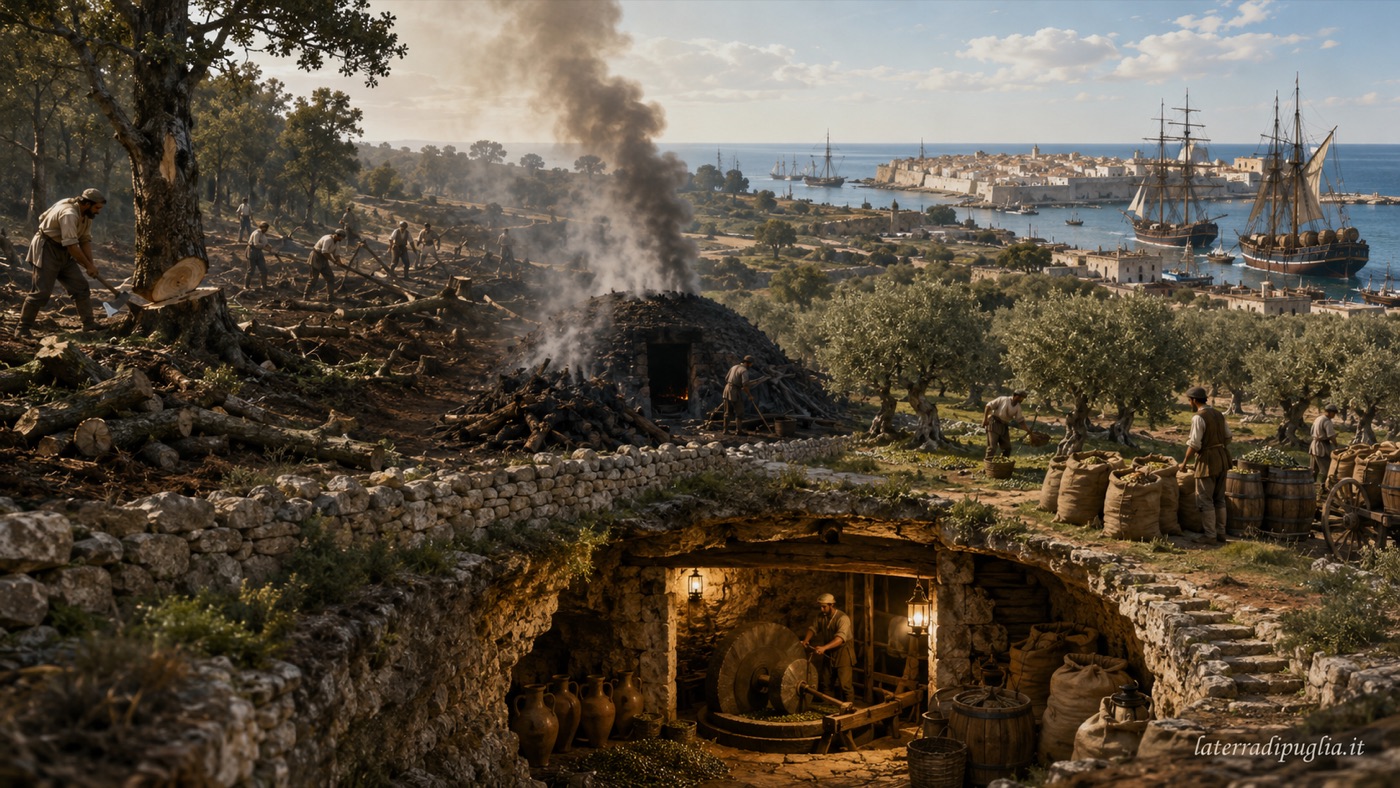
Puglia is the leading olive region of Italy, and the oil is used raw as much as for cooking. On a plate of broad bean purée or a frisella, the oil poured on at the table is a third of the dish. If you are buying a bottle to take home, our guide to Apulian extra virgin olive oil explains what the labels actually mean.
🍞 Bread, and what happens to it after
- Altamura bread — durum wheat, thick dark crust, protected by a DOP
- Frise — bread rings baked twice until hard, then wetted and dressed with tomato and oil
- Focaccia — with boiled potato in the dough, sold by weight and cut with scissors
- Panzerotti — fried, filled with mozzarella and tomato, eaten walking
- Bread balls — what yesterday’s loaf becomes
🧀 Two cheeses to ask for by name
Burrata comes from Andria and needs no introduction. Ricotta forte does: it is sheep’s ricotta fermented for around a year, sharp and creamy, used on pasta and to fill panzerotti. It is an acquired taste and locals enjoy watching visitors meet it.
One ordering tip. In a trattoria, ask what the antipasti are before ordering anything else. In much of Puglia the answer is a list of ten things, and once they start arriving you will not want a first course as well.
All the recipes are in our collection of Apulian recipes.
And the one thing on this list that most visitors walk past without asking what it is: gnummareddi, the little rolls of lamb offal on every Apulian grill.