In short. In the same region, in the same year, there are masserie selling for millions and villages handing over houses for one euro. Here are the real 2026 prices, province by province — Bari €2,070 per square metre, Lecce €1,511, Taranto €931 — with Lecce’s double-digit rise, the fall in sales in Bari and the jump in rents. And then the other face of Puglia: the inland towns selling houses for a euro to anyone who undertakes to restore them.
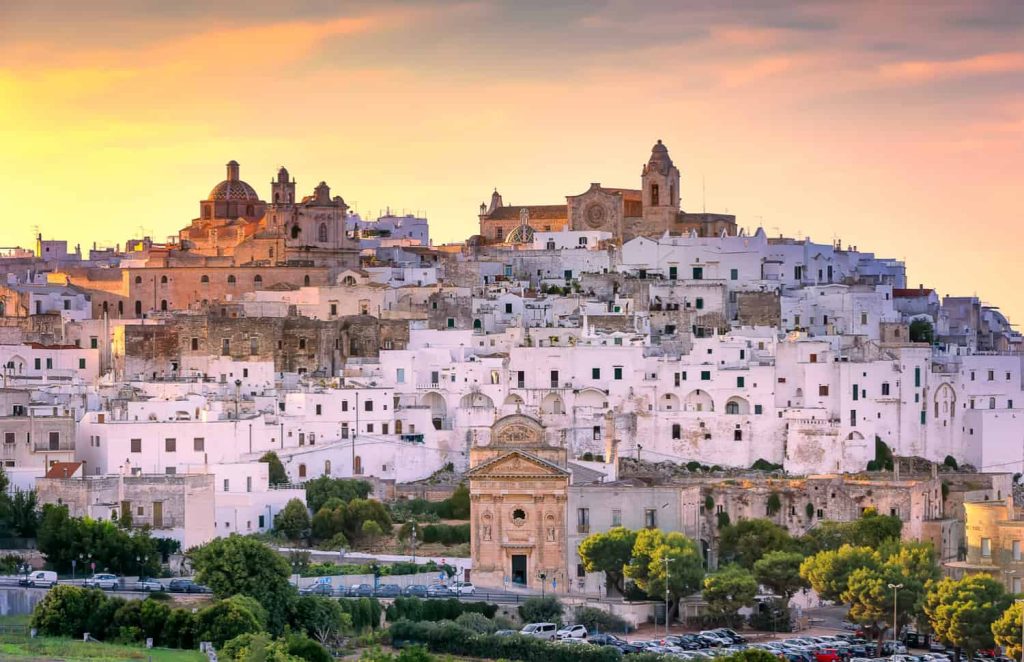
There are two property markets in Puglia and they do not speak to each other. In the first, a restored masseria on the coast costs what a flat in Milan costs, and it is mostly foreigners buying. In the second, an inland village puts houses on the market for one euro because it cannot find anyone to live in them. This is the same region, often less than fifty kilometres apart. Here are the 2026 figures.
💶 What a house costs, province by province
The regional average is around €1,248 per square metre according to the research office of idealista — but the average tells you very little, because between the dearest province and the cheapest there is more than double.
The interesting movement, though, is not the level: it is the direction. Over a year the region is up a modest 0.8%, but inside that average Lecce is running away on its own at +7.8%, with Bari and Barletta level behind at +5.7%. The Salento, in other words, is detaching itself from the rest of Puglia in bricks and mortar as well — and it is doing so while the interior stands still.
🌍 Who is buying: foreigners, and not where you would think
The Fiaip report on the first months of 2026 describes a live market, with broadly stable prices and rises concentrated in the cities and the tourist areas. Much of the push comes from European and American buyers, drawn by properties that do not exist at home — masserie, trulli, small historic palazzi — and encouraged by low-cost flights, regional promotion and the effect of the films and television series shot here.
Two figures capture the contradiction of the moment: in Bari transactions fell by 22%, while across the region rents rose by 7.3%. Translated: fewer sales, more letting, at higher prices. It is the same mechanism that is turning masserie into places to stay, seen this time from the point of view of somebody looking for a home to live in.
The part that affects residents. When year-round lets disappear because it pays better to rent to visitors, this stops being a property-market question and becomes a question of where the person who works in that town is supposed to live. It has already happened in Ostuni and along the coast, and it is starting to show inland too.
🏚️ The other Puglia: the one-euro houses
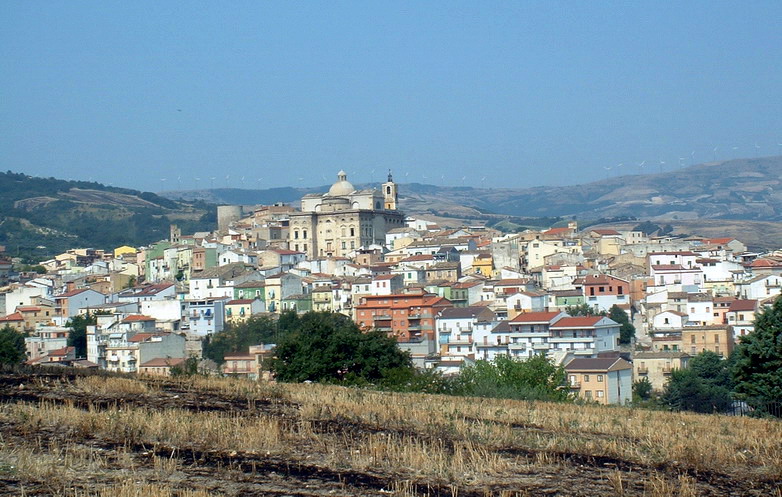
At the very moment the coast is posting Milan prices, the inland villages have the opposite problem: empty houses and nobody to buy them. Hence the one-euro house formula, which began in Italy in 2001 and is now running in more than 70 municipalities, almost all of them under 3,000 inhabitants.
In Puglia four names come up: Biccari and Candela in the Monti Dauni, Caprarica di Lecce in the Salento, and some initiatives in the city of Taranto.
- The euro is symbolic; the restoration is not. The buyer undertakes to bring the property back into condition within a deadline set by the council. That is where the real cost sits, and it is often not small.
- These are not houses you can move into. They are nearly always properties in the old centre, abandoned for decades, with structural problems, narrow access and heritage constraints.
- You need people on the ground. Between permissions, quotes and finding a builder with capacity, anyone buying from abroad without a local contact will take twice as long.
- The real advantage is the setting: you are buying inside a village where the cost of living is low and the community still exists — exactly what the coast is losing.
🧭 How to read these numbers if you are buying
- Distrust the regional average. €1,248 per square metre is the price of nothing: within a single province, the gap between the historic centre of the main town and a village twenty kilometres away is enormous.
- Lecce at +7.8% is the signal to watch. If you are buying to invest in the Salento, you are entering a market that is moving, not a still one.
- Inland the arithmetic runs the other way: low purchase price, high restoration costs. That model stacks up if you want to live there; much less so if you are planning a quick resale.
- Always check with the council before falling in love with a photograph. The one-euro tenders, the conditions and the deadlines differ from village to village and are reopened at irregular intervals.
- If you are buying from abroad, budget for the codice fiscale — the Italian tax number, without which you cannot sign — and for the compulsory visit to a notary.
To choose the area before the property, our guide to the Valle d’Itria and to the six areas of Puglia describes how these towns actually live out of season — which, when you are buying somewhere to live, matters more than the price per square metre.
The prices per square metre and the annual changes come from idealista and from the Fiaip report as carried by the regional press in the spring of 2026: they photograph the moment they were collected and should be checked again before any decision to buy. The list of municipalities offering one-euro houses changes over time: only the tender published by each council counts.