
Durum wheat and soft wheat look alike in the field but behave very differently in the kitchen. Durum, with hard grains and more protein, gives semolina and pasta that holds its shape; soft wheat, with softer grains, gives the flours used for bread, pizza, cakes and biscuits.
The world of wheat is vast and varied, with many varieties that have different characteristics and uses. Two of the most common are durum wheat and soft wheat. They may look similar at first sight, but there are significant differences between them that affect how they are used in the kitchen, in the food industry and in the production of flour. In this article we look at the characteristics, differences and uses of both.
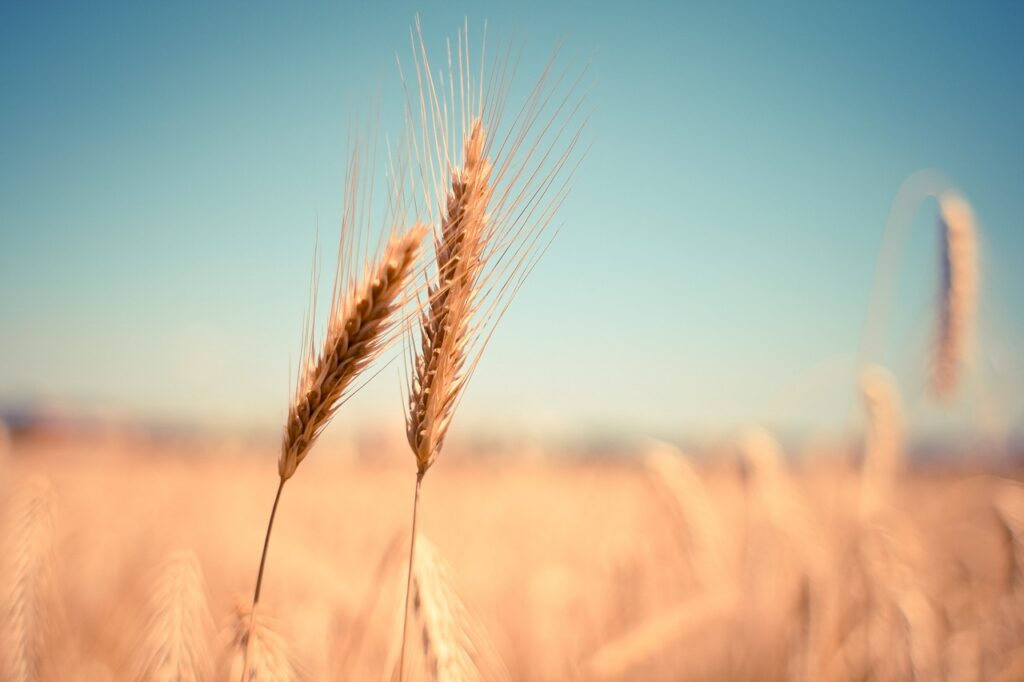
Durum wheat
Durum wheat, known to botanists as Triticum durum, has hard, compact grains. It is a very hardy variety with a high protein and gluten content. It is grown mainly in Mediterranean regions and is used above all to make semolina and pasta. Its firm texture and its ability to keep its shape while cooking make it ideal for pasta such as spaghetti, penne and fusilli.
Soft wheat
Soft wheat, known as Triticum aestivum and called common or bread wheat in English, has softer grains that crumble more easily than durum. It is used for a wide range of baked goods, including bread, pizza, cakes and biscuits, and to make both white and wholemeal flours.
The main differences
- Protein and gluten. Durum wheat has more protein and gluten than soft wheat. This gives its dough strength and firmness, ideal for pasta. Soft wheat, on the other hand, is the wheat of bakers.
- Uses. Durum wheat goes mainly into semolina and pasta, while soft wheat goes into flours for bread and other baked goods.
- The grain. Durum grains are harder and more compact; soft wheat grains are softer and break up more easily.
In the kitchen
- Durum wheat. Perfect for pasta: its firm texture holds its shape during cooking and gives pasta that stays pleasantly al dente. For the place of wheat in Apulian food, see bread and wheat in Puglia, or try home-made orecchiette.
- Soft wheat. Ideal for bread, pizza, cakes and other baked goods. Its flours have a soft, light texture, perfect for baking. If you want to start with something simple, try our pizza dough.
In short, durum and soft wheat are both widely used, but each has its own character and its own uses. The choice depends on what you want to cook and on personal taste: once the differences are clear, it is easy to pick the right wheat for your kitchen.
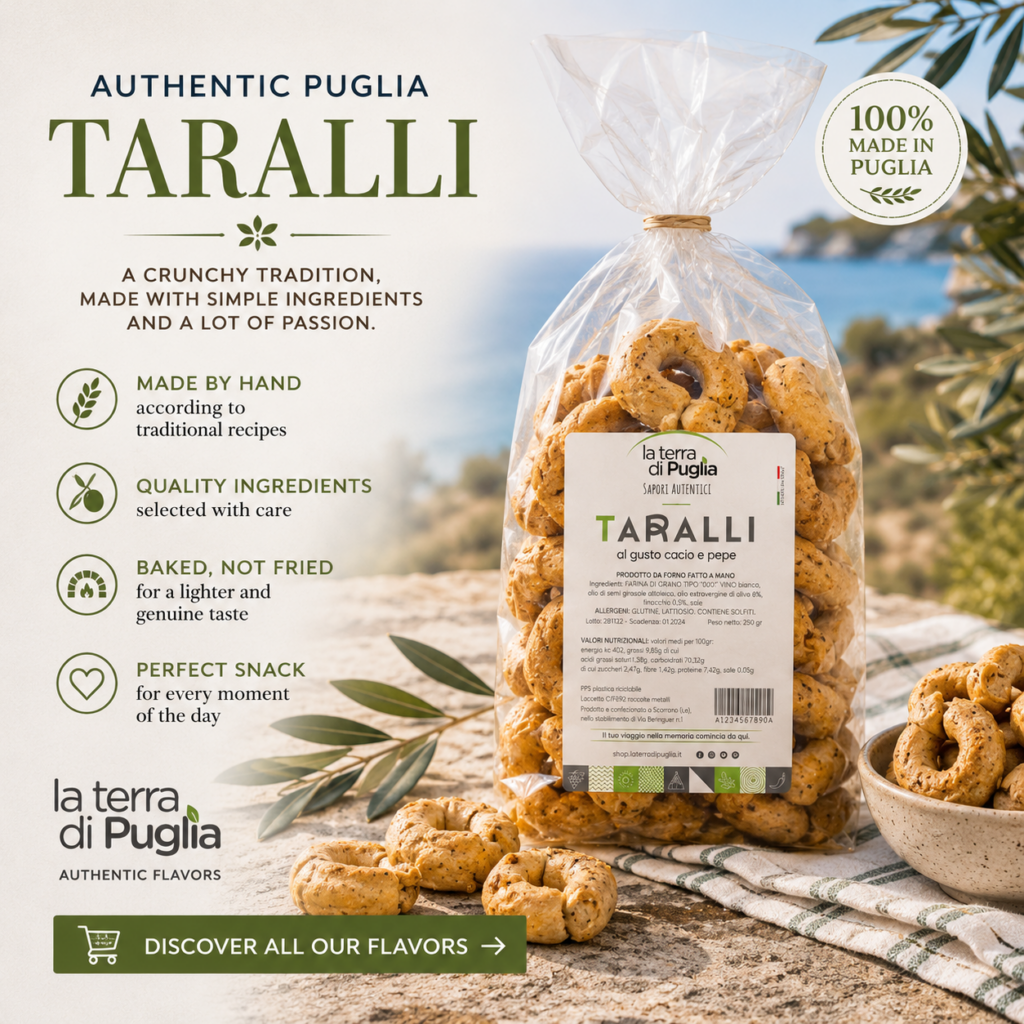
Our artisan pasta, made only with Italian wheat. You can find it in the pasta section of the La Terra di Puglia shop.



You must be logged in to post a comment Login