Italian cooking has been recognised by UNESCO as part of the intangible cultural heritage of humanity. It is not a symbolic badge: it says that Italian food is living culture, shared identity and real economy. And if one region shows that model in practice, it is Puglia, with its few ingredients, treated well.
Italian cooking is now UNESCO intangible cultural heritage. This is not a token honour to wave around but a clear statement: Italian food is living culture, collective identity and a real economy.
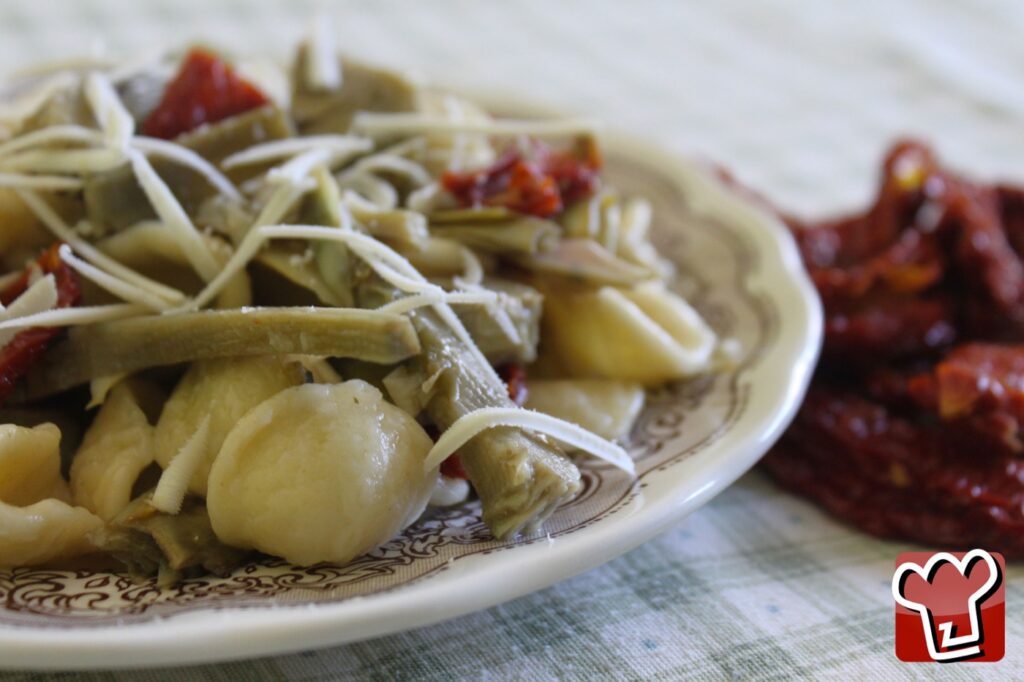
And if there is one place that embodies this model in a concrete way, it is Puglia.
What the UNESCO recognition really means
When UNESCO talks about intangible heritage, it does not mean a recipe written on a sheet of paper. It means everyday gestures, knowledge handed down, and a deep bond between food and place.
Italian cooking is heritage because it only lives if it is practised, passed on and respected. It is not folklore. It is cultural continuity.
Italian cooking as a way of producing
Telling the story of Italian cooking only as nostalgia is a mistake. It works because it is a solid, recognisable and credible system of production.
It holds together quality farming, artisan food production, local processing, logistics, exports and food and wine tourism. In Europe, people who buy Italian products are not looking for a fairy tale: they want transparency, consistency and real quality.
Puglia: few ingredients, a very strong identity
Puglia captures the deeper meaning of Italian cooking perfectly. There are no complicated dishes here: there are raw materials treated well.
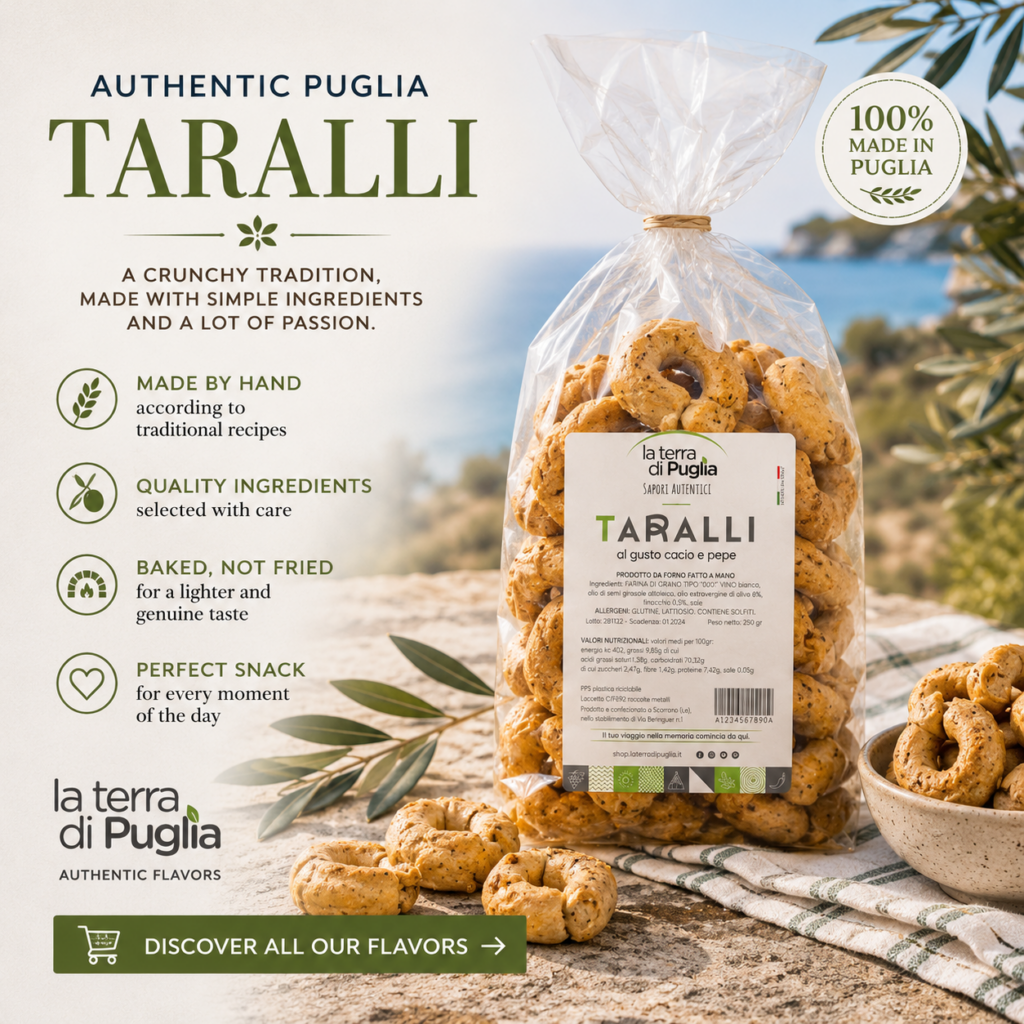
Extra virgin olive oil, durum wheat, preserves, pulses, taralli (the crunchy ring-shaped crackers of Puglia), tomato passata, wines: simple products, but unmistakable. A cuisine called “poor”, the cucina povera of peasant households, only in name, and extremely rich in identity. What it puts on the table is gathered in our guide to what to eat in Puglia.
Apulian cooking does not dazzle you with special effects: it wins you over in the long run.
Why Apulian products are appreciated all over Europe
Anyone who works with an online shop every day can see it clearly: Apulian products are more and more in demand in France, Germany, Switzerland, Belgium and northern Europe.
It is not a fashion. It is a conscious choice, based on clear ingredients, readable labels, certain origin and recognisable flavours.
European shoppers are tired of products that are “Mediterranean” in name only. They want to know who produces, where and how.
E-commerce and Italian cooking: a tradition that travels
Digital does not betray tradition. Used with judgement, it strengthens it. A well-built online shop can tell the story of its products, explain where they come from, help customers understand what they are buying and build trust over the years.
Italian cooking does not lose value online. It only loses it when it is sold off cheap or trivialised.
UNESCO heritage and protection against imitations
“Italian sounding” products, the trade term for goods dressed up to look Italian, ambiguous labels, tricolour flags used at random: the UNESCO recognition makes protection all the more necessary.
Defending Italian cooking means defending serious producers, transparent supply chains and real places.
Those who work well, without shortcuts, are rewarded. Foreign markets reward them too.
Beyond the kitchen. In Puglia the UNESCO theme also ties in with landscape and collective memory. In recent years there has been a growing number of cultural initiatives and proposals centred on the dry-stone walls and the ancient olive trees, elements of a local identity that several communities are working to promote on an international scale. There is a growing wish for recognition for Puglia and for other expressions of its material culture, and these themes are more and more often linked to the story of food, landscape and traditional practices. Here Puglia shows a rare ability: turning proposals for cultural protection into living experiences, routes for visitors, events and the opening of symbolic places, and turning the search for recognition into a chance for renewal and growth.
Growth, yes, but with a clear direction
The future of Italian cooking, and of Apulian cooking, does not lie in blind industrialisation but in intelligent growth.
Scaling up without losing identity, quality and credibility. Selling better, not selling to everyone. Speaking clearly, not shouting.
In conclusion
The title of UNESCO heritage is not a finishing line. It is a warning.
Italian cooking stays the heritage of humanity only as long as it stays true. And Puglia, with its essential, concrete and recognisable cooking, speaks to the world today. It will go on doing so, as long as it does not betray itself. The raw materials behind it are on our Apulian food page, and its everyday rules on our page about the Apulian Mediterranean diet.

You must be logged in to post a comment Login