
The vummile is the two-handled terracotta jug of the Apulian countryside, once used to keep water, wine and oil. Here is what it is, where it is still made by hand, why terracotta cookware is coming back into kitchens, and how the vummile has become a design object.
What is a vummile?
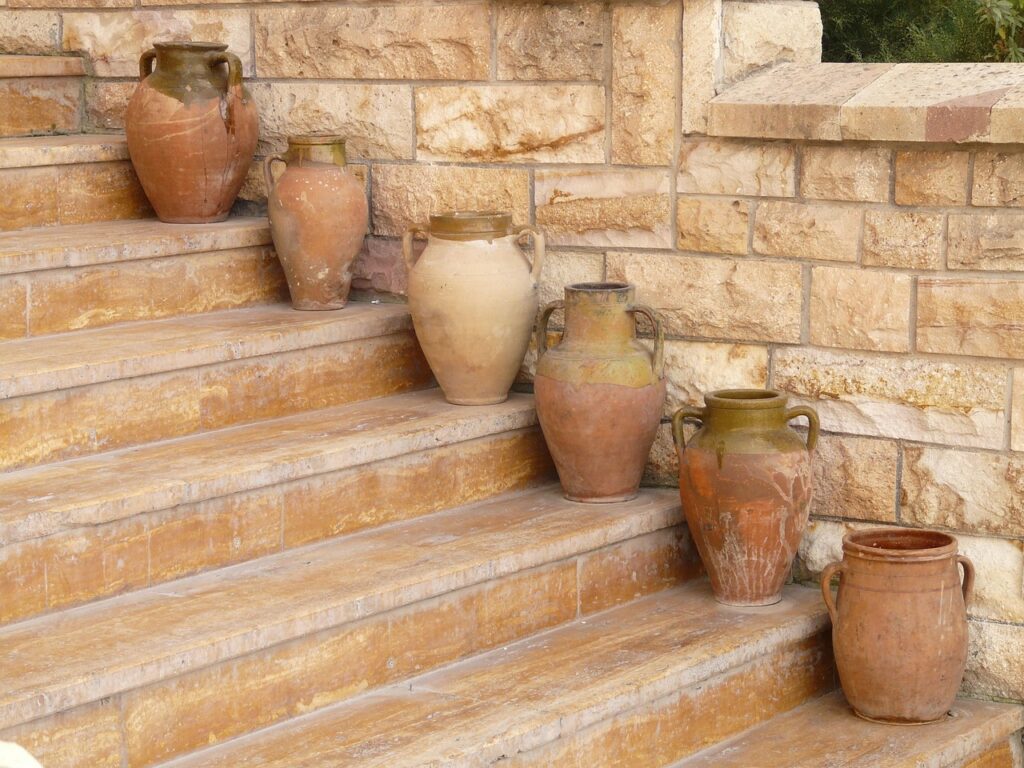
The vummile is much more than a terracotta container: it is a genuine symbol of Apulian craftsmanship and of the farming traditions of southern Italy. Also known as pummile, and related to the capasa, the much larger version of the same idea, it was used to store water, wine, oil and other food. Made by hand by master potters, it is a perfect example of Apulian terracotta, both practical and decorative.
Apulian craftsmanship: an ancient tradition
Craft in Puglia is known for its natural materials: Lecce stone, the soft local limestone, wrought iron and, above all, ceramics and terracotta. The towns where hand-made ceramics have been produced for as long as anyone can remember are:
- Grottaglie: the home of art ceramics.
- Cutrofiano: known for terracotta kitchenware, and home to a ceramics fair.
- Laterza: famous for its decorated maiolica.
It is in towns like these that the vummile and the capasa are made, fired in wood-burning kilns and glazed. In the past the materials we use today did not exist, so it was normal to make containers of every size in terracotta. The vummile is in fact a jug or amphora, practical and good to look at, with two handles. Olive oil was pressed in large quantities at the start of winter and then had to be kept, and the same went for wine: these vessels answered exactly that need.
Terracotta cookware: not just for show
Terracotta utensils are not only decorative, they work. Terracotta holds its temperature and keeps liquids and food well. Some typical pieces:
- the pignata, a pot-bellied pot for slow-cooking pulses;
- the tianu, a baking dish for the oven;
- jugs and orci (large storage jars) for wine and oil.
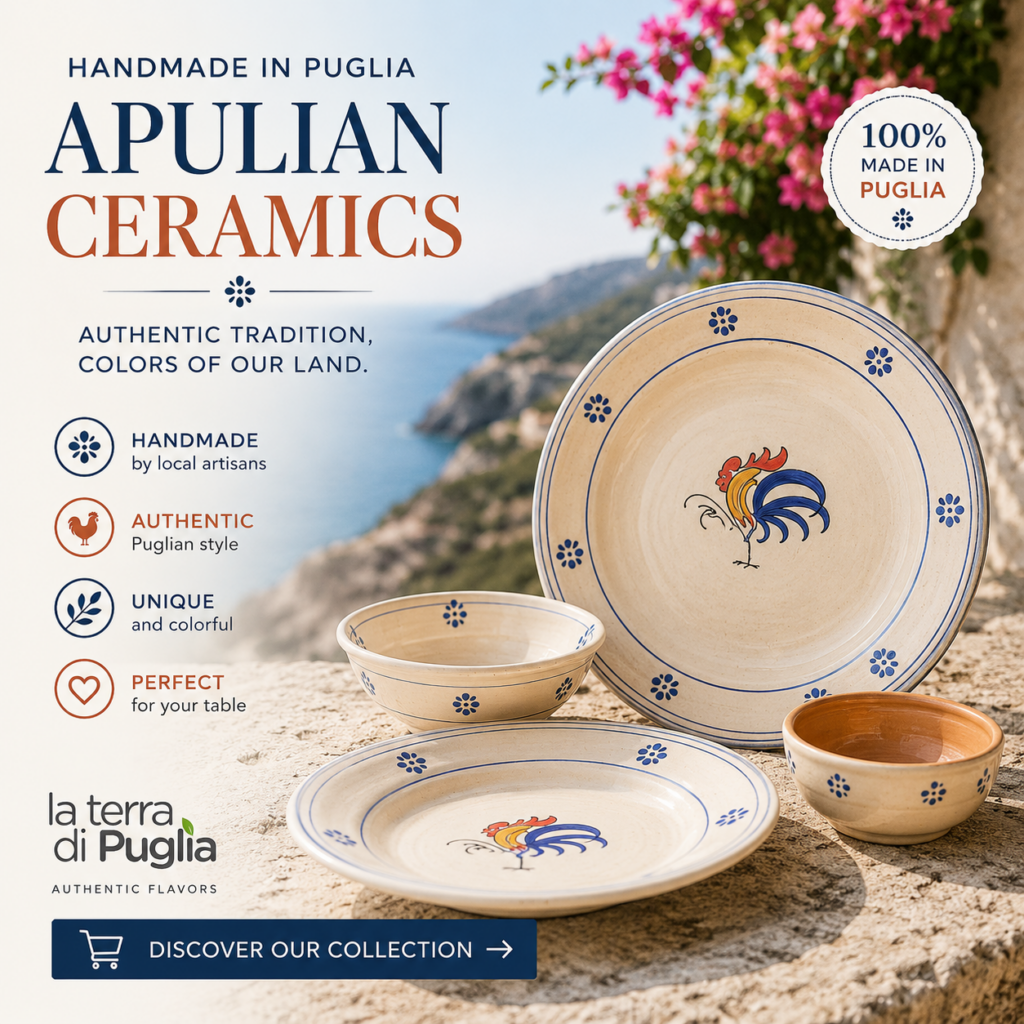
These pieces are still valued today for being environmentally friendly and for how well they cook. In fact, terracotta kitchenware is enjoying a real comeback. Pignate and pans in terracotta make good, flavourful dishes, they are natural materials that bring out the taste of food, and they last a long time. Terracotta plates, too, are durable and stay attractive for years, outliving every passing trend.
The vummile today: craft and design
The vummile is going through a new phase, becoming a sought-after object for sustainable design and Mediterranean interiors. Modern reinterpretations include:
- contemporary coloured glazes;
- artistic incised decoration;
- use as a purely decorative piece: a vummile or a capasa often finds a place inside or outside the house, bringing an old-fashioned charm to a contemporary space.
Where to find an authentic vummile
To buy an authentic vummile, the best thing is to visit the craft workshops in Puglia, in towns such as Grottaglie and Cutrofiano. The vummile shows how tradition and function can come together in a timeless object, and choosing one supports local craftsmanship. If you cannot get to Puglia, you can bring a piece of this culture home with the hand-made Apulian terracotta pots and pans in our shop. For the wider story of Apulian pottery, see our page on ceramics.



You must be logged in to post a comment Login