In short. Lampascioni are wild bulbs, not onions and certainly not berries — Muscari comosum, the tassel hyacinth. They are bitter, they take four or five years to grow, and in Puglia they are considered a delicacy. Three ways to cook them.
They come up when the fields are ploughed, and they are sold as something precious. Every dialect has its own name for them — lampagioni, pampasciuni, lambascioni — and all of them mean the same bulb.
The soaking is the whole technique. Lampascioni are genuinely bitter. Left in water — for a few hours, or as long as six — they lose enough of it to become the thing people love. Skip that step and you will not understand what the fuss is about.
Boiled lampascioni
Ingredients: 300 g of lampascioni, extra virgin olive oil, salt and pepper.
Clean them and wash them in water — better still, leave them soaking for a while first. Boil them, then dress simply with oil, salt and pepper.
Fried lampascioni
Ingredients: 400 g of lampascioni, extra virgin olive oil, salt and pepper.
Clean and soak them as above, then fry them in olive oil until they colour. Salt and pepper at the end.
Lampascioni baked with potatoes
Ingredients: 500 g of lampascioni, 500 g of potatoes, extra virgin olive oil, salt and pepper.
Clean the lampascioni and leave them in water for six hours, so they lose some of their bitterness. Then bake them with the potatoes, dressed with oil, salt and pepper.
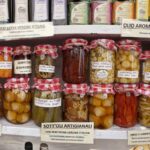
Not a fruit. The name causes confusion even in Italian, where it gets mixed up with lamponi, raspberries. Lampascioni are bulbs, they grow underground, and they are eaten as a vegetable or preserved in oil.
More on the vegetables page.