In short. DOC since 1974, red only, from the Tavoliere around Cerignola. Uva di Troia dominates, with Negroamaro behind it, and the riserva needs two years and 13%. It is a food wine, built for ragù and boiled meat rather than for sipping.
Northern Puglia, the great plain that has been called the breadbasket of Italy — and one of the oldest denominations in the region.
The zone and the grapes
The zone covers Cerignola, Stornara, Stornarella and Ascoli Satriano, in the province of Foggia. Uva di Troia is the base, at more than half the blend, with Negroamaro at 15–30% and up to 15% of Sangiovese, Barbera, Montepulciano, Malbech or Trebbiano, alone or blended.
In the glass
- Colour: ruby red, brick red when aged
- Nose: alcoholic and pleasant
- Palate: dry, tannic and savoury, with a pleasantly bitter finish
- Alcohol: minimum 12%, at least 13% for the riserva
- Serve at: 16–18 °C, in a tulip glass — a rounder one for the riserva
At the table: traditional dishes — pastasciutta al ragù, mixed boiled meats, white meat, light stews, medium-aged cheese. The riserva with grilled red meat, stews, game and strong aged cheese.
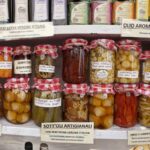
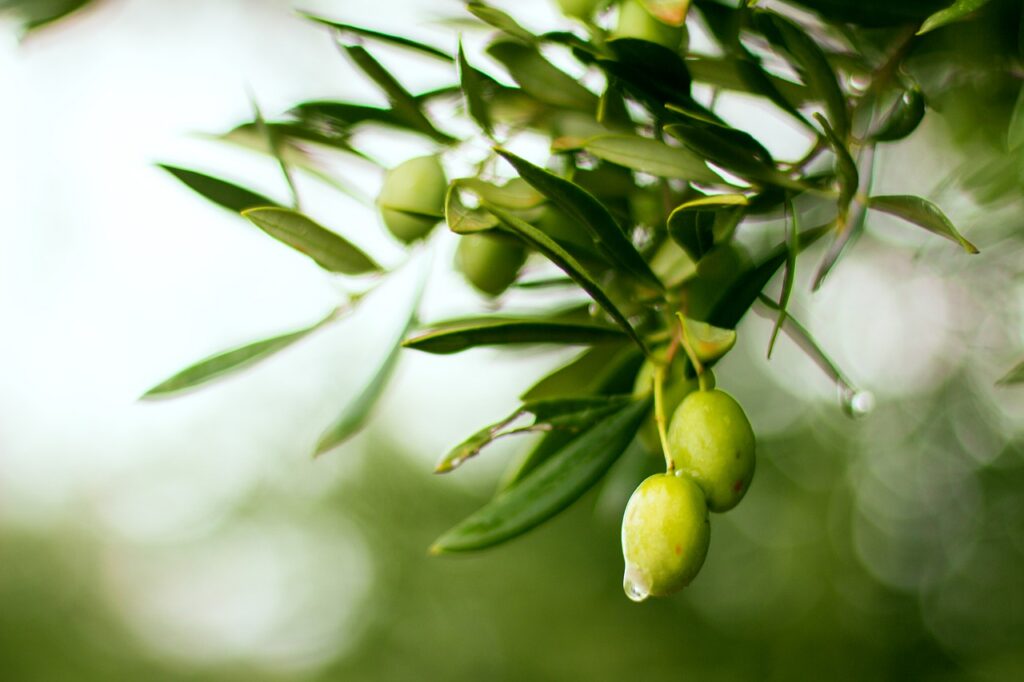
The other thing Cerignola is famous for. Not the wine: the olives. The Bella di Cerignola is a DOP table olive — oval, large, deep glossy green, firm and juicy, with flesh that comes cleanly off the stone. It is never pressed for oil: it is picked at the end of October, put up in brine, and eaten on its own with a drink. Whether the Romans brought it or the Aragonese did is still argued over.
A DOC from 1974. The Apulian denominations were mostly drawn up between the 1960s and the 1980s, when the region started claiming a wine identity of its own instead of remaining a supplier of must to other regions. Rosso di Cerignola is one of the early ones — and the north of Puglia, where it comes from, is still the least visited part of the map.
More on the wines of Puglia.