In short. Tarantismo has a precise address: the chapel of St Paul at Galatina, where every 29 June the rite of the tarantate is still remembered. The dance came first, the spider was the explanation.
Pizzica is the traditional dance of the Salento. Tarantismo is the ritual it belonged to — and it survived into living memory, documented by anthropologists rather than folklorists.
🕷️ The belief
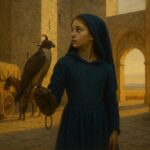
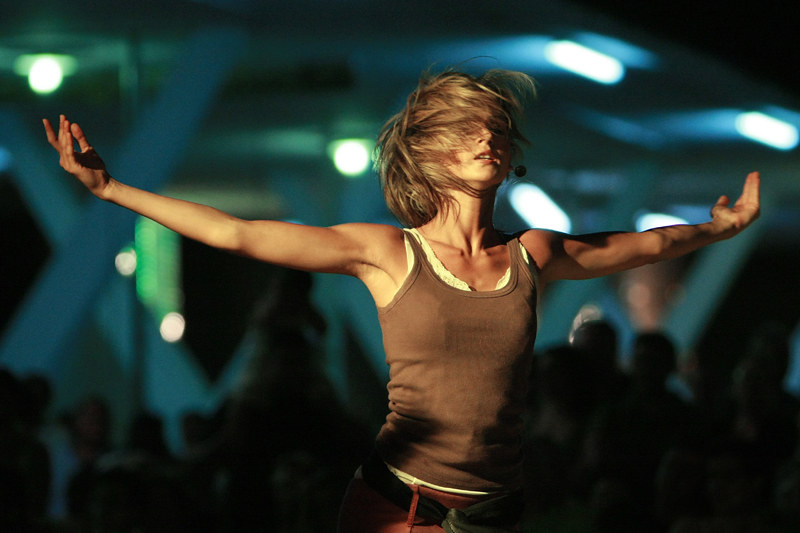
A woman bitten by the taranta — the spider — fell into a state that could only be resolved by dancing: for hours, sometimes days, to the beat of the tambourine, until the poison was worked out of the body. Musicians were called to the house. The village watched.
The bite — real or imagined — brought on trance and distress that ordinary medicine could do nothing for. The pizzica, with its frantic rhythm and the hypnotic sound of the tambourine, became the only remedy: the tarantata danced to exhaustion, and the poison was said to leave with the dancing.
Whether any spider was involved is, for the historians, beside the point. What the ritual provided was a socially sanctioned way for women in a closed rural society to lose control in public, and then to return to ordinary life.
✝️ Saint Paul’s part in it
In Salento tradition Saint Paul decided the cure. He was believed to appear to the afflicted and tell them how long it would take — a few days, or several weeks. The place appointed for the rite was the chapel of Saint Paul at Galatina, the final destination of a pilgrimage that drew tarantate from across the Salento.
⛪ Galatina, and the 29th of June
The tarantate were brought to the chapel at Galatina, and the date is the feast of Saints Peter and Paul — 29 June — which the town still marks.
The dance itself is older than the ritual it served: the pizzica belongs to the family of Dionysian dances, and it once covered a far wider area than the Salento — all of Puglia and the eastern part of Basilicata. Its old name was pizzica pizzica.
Not a medieval story. Tarantismo was documented in the Salento into the twentieth century — filmed, recorded, studied. The last practising tarantate were alive within living memory, which is why the tradition transmitted rather than being reconstructed.
💃 From ritual to festival
Pizzica belongs to the family of southern Italian dances usually called tarantelle, and it was once found across a much wider area — all of Puglia and eastern Basilicata. Today it is a Salentine emblem, and it fills squares every summer.
What it became: the Notte della Taranta.