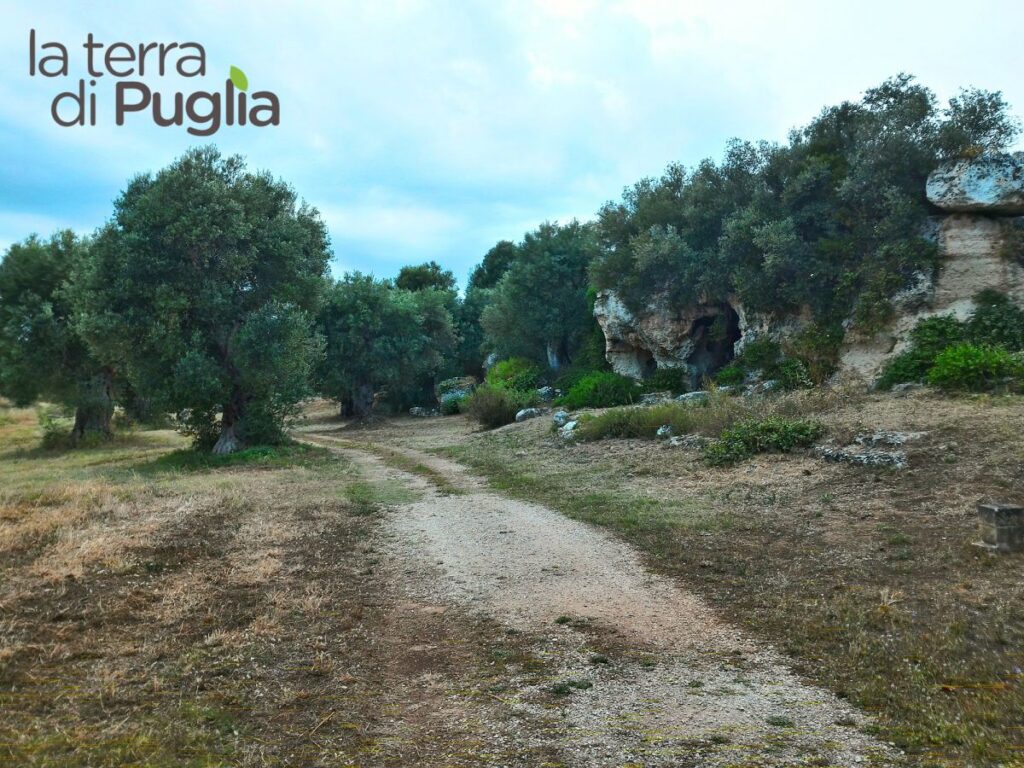
Olive oil is the “green gold” of Puglia. The olive tree was sacred to the ancient Greeks, it has grown in this region since the Neolithic, and its oil once lit the lamps as well as dressing the food. Today Puglia is Italy’s leading producer of olives and olive oil.
Olive oil is one of the pillars of farming in Puglia: the olive tree gives the region what locals call its green gold. It is a plant that the great writers of the ancient world already knew well. The Greek historian Herodotus, for one, believed that the olive grew only in Greece, and more precisely in Athens.
The olive tree in the ancient world
According to legend it was the goddess Athena who planted the first olive tree, and from its fruit people obtained a juice that proved both precious and useful. For the ancient Greeks the tree was sacred, a symbol of strength and peace, and anyone who damaged one could be sent into exile.
Olive oil in Puglia since prehistory
The earliest evidence of olive growing in Puglia has been found between Torre a Mare, in the province of Bari, and Fasano, in the province of Brindisi. These finds go back as far as the Neolithic, which tells you how much olives already mattered to the people who lived here then.
Across the whole of southern Italy, archaeologists have also found objects showing scenes of the olive harvest, of oil making and of the olive trade, and even coins struck in the cities of Messina, Crotone and Taranto.
The ancient Greeks and Romans used oil to care for the skin. Here in Puglia it was also burnt to light the lamps, and the evidence lies on the seabed: the wrecks of several ships that sank in the Mediterranean while carrying cargoes of oil.
Olive oil at the table
Thanks to its qualities, olive oil is the natural way to dress and flavour food in Puglia, raw on bread and vegetables or in the pan. It contains oleic acid, carotenes and tocopherols, the family of compounds that includes vitamin E, together with many phenolic compounds.
Puglia is Italy’s leading producer of olives and olive oil, and much of what it presses is extra virgin. That is the top grade defined by law, and one of its requirements is low acidity: no more than 0.8 grams of free acidity per 100 grams of oil. You can read where the oil comes from in our guide to the olive oil production areas of Puglia, and how the olives are picked in the piece on the olive harvest.