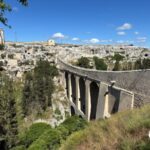
In short. DOC since 1983, and one of the few Apulian whites with a denomination of its own. From the Murgia, around Gravina, Altamura, Poggiorsini and Spinazzola — and made still, sparkling, and as a passito from pure Malvasia.
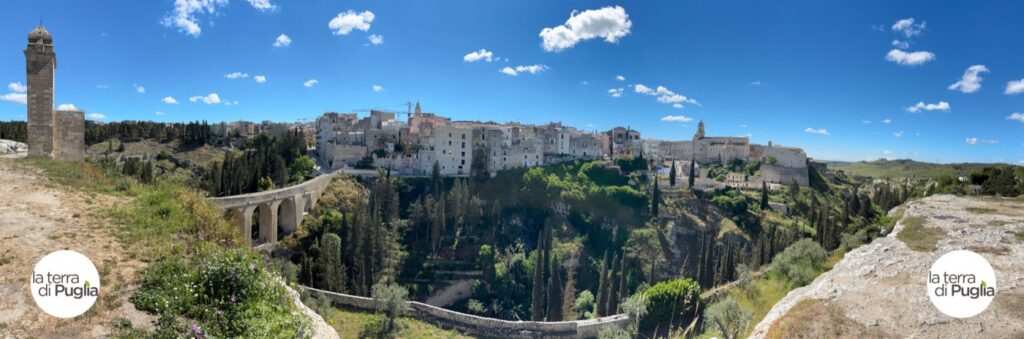
High inland Puglia, up on the limestone plateau: a different climate from the coast, and the reason this is white-wine country in a region known for red.
The zone and the grapes
The zone covers Gravina in Puglia, Poggiorsini, Altamura and Spinazzola. Malvasia del Chianti makes up 40–65%, with Greco di Tufo and Bianco d’Alessano — alone or blended — accounting for 35–60%. Bombino Bianco, Trebbiano Toscano and Verdeca may contribute, but not more than 10% of the total.
The denomination is unusually broad for a white: besides the still wine and the spumante, it covers a passito made from Malvasia alone, and a red and rosé based on Montepulciano and Primitivo.
In the glass
- Colour: pale yellow tending to pale green
- Nose: vivid
- Palate: dry or gently off-dry, always fresh, harmonious and delicate
- Alcohol: minimum 11%
- Serve at: 8–10 °C — in a slender tulip if still, in a flute if sparkling
At the table: light soups, eggs, mozzarella and soft cheese, shellfish, grilled lean fish. The sparkling version works better as an aperitif.
A white from a red region. Puglia is known abroad almost entirely for its reds, which is precisely why Gravina is worth ordering — it is the local answer to everything that comes out of the sea here.
Where you are drinking it. Gravina sits on the edge of the ravine that gives it its name, and Altamura — twenty minutes away — makes the DOP bread that is the natural thing to eat with this wine. Both are in the Murgia, the least touristed part of the region and the one with the best food-to-price ratio in Puglia.
More on the wines of Puglia.