The flavours of Puglia are loved around the world for a simple reason: they are honest flavours, built on ingredients ripened in the sun that need very little added to them. Long before “local” and “organic” became labels on a supermarket shelf, this was simply how Apulian food was made.
Until not so many decades ago this region was spoken of in the plural: “le Puglie”, the Puglias, rather than “la Puglia”. That small detail says a lot about how varied its flavours are. For centuries they changed from one area to the next, shaped by everyone who passed through: Greeks, Romans, Arabs and, later, Frederick II of Swabia, who loved this land so much that he was called Puer Apuliae, “the boy of Puglia”.
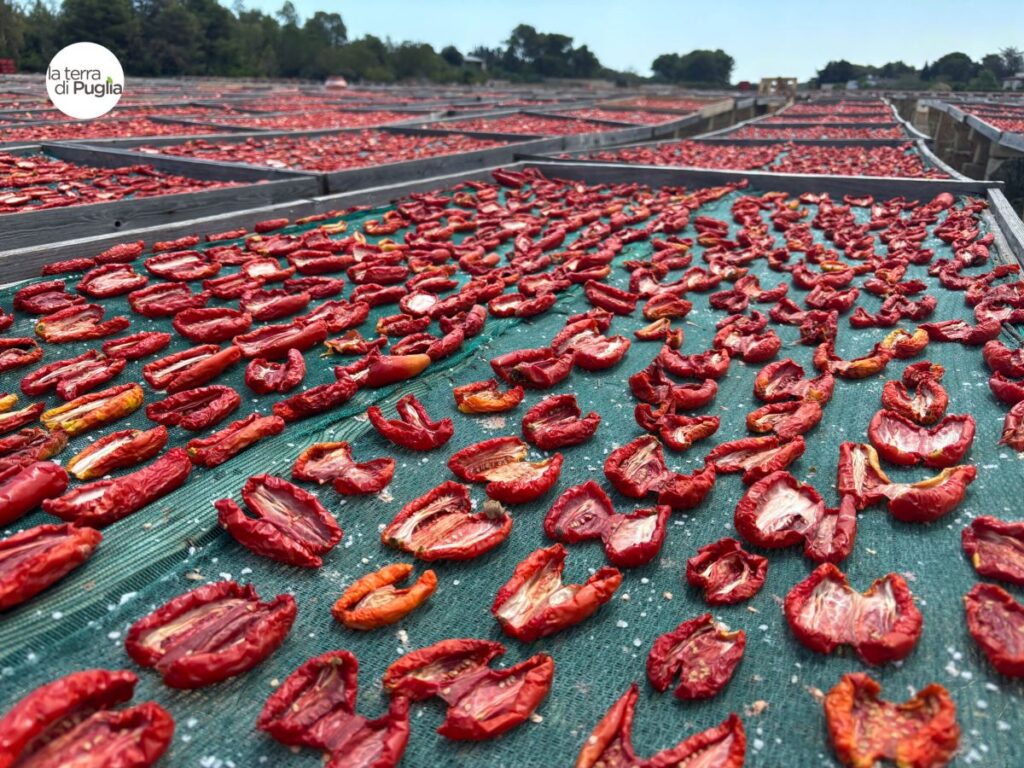
Cured meats such as soppressata and capocollo, fresh and aged cheeses, bread and vegetables dried in the sun: in Puglia every mouthful is a small journey back in history, as well as a journey of taste.
The old flavours of Puglia
What you eat on a holiday in Puglia today is, in essence, what farming families once put on the table for men coming home from the fields and for their many hungry children: simple flours, vegetables ripened and often dried in the sun, cheeses from animals that grazed freely outdoors. There was not much, but what there was was special, and nothing more was needed.
No preservatives and no elaborate dressings: the difference came from the scents of the macchia mediterranea, the wild scrub of herbs and shrubs that covers the coast and the countryside, helped by a mild climate all year round. Wild fennel, bay, capers, caroselle, rocket and wild greens of every kind are still the real secret of these flavours. Not a secret recipe, just plenty of sun and little else.
Did you know? Caroselle are not a vegetable of their own: they are the flower heads of wild fennel, picked and kept in vinegar. In Puglia they go into pitta di patate, a potato pie, into a reworked puttanesca sauce, or simply into raw salads with tomatoes and cucumbers. Another little-known treasure: the Murgia, the limestone upland inland from Bari, also grows black chickpeas, darker than the common kind and with a stronger taste.
Where to find these flavours, wherever you are
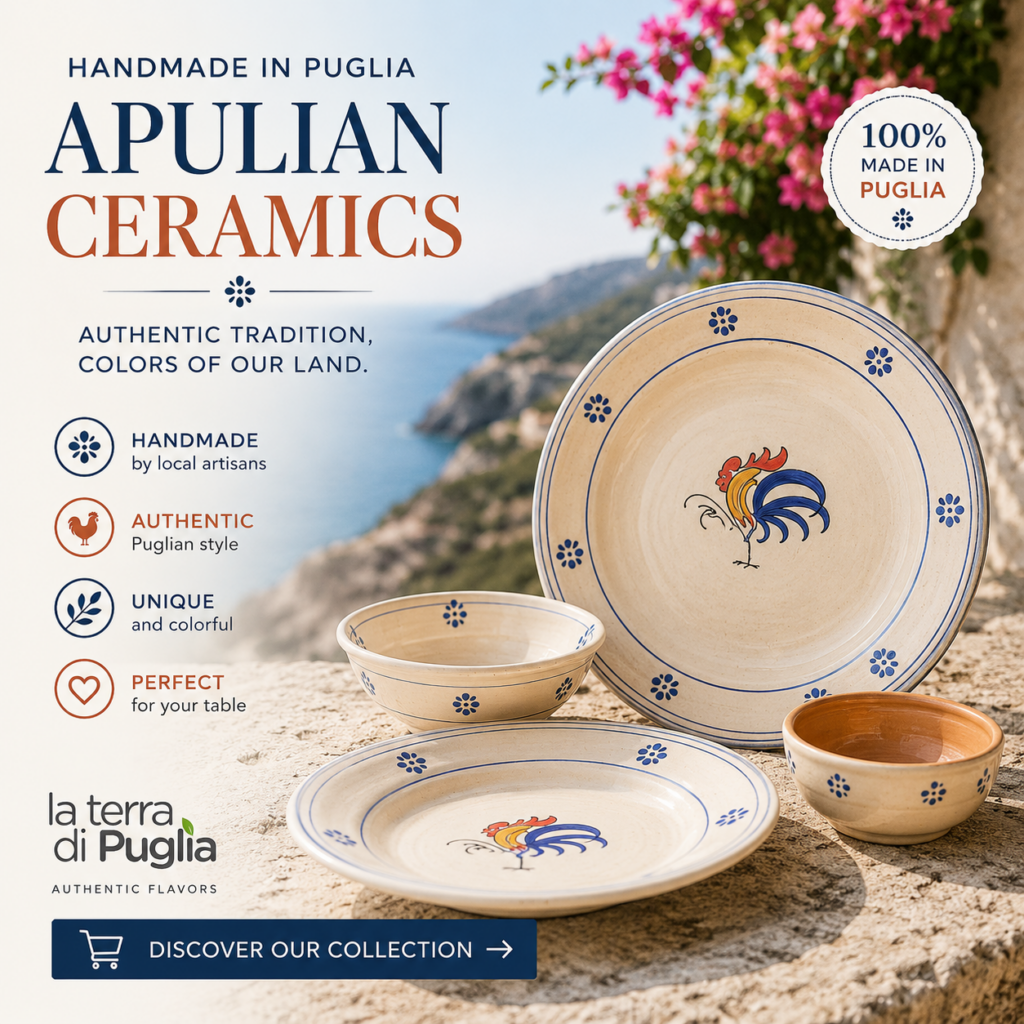
Our shop sells Apulian flavours exactly as they used to be. If you grew up here, you only need to close your eyes as you taste them: crisp frise, the twice-baked bread rings that Apulians soften with water and top with tomatoes; sun-dried tomatoes, fleshy just as they should be; onions dried in the sun; and the classic plates decorated with a cockerel, still found in many Apulian homes and masserie, the old fortified farmhouses of the countryside. You can browse them in the terracotta section of our shop.
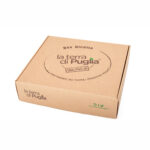
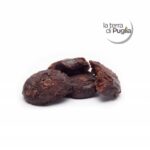
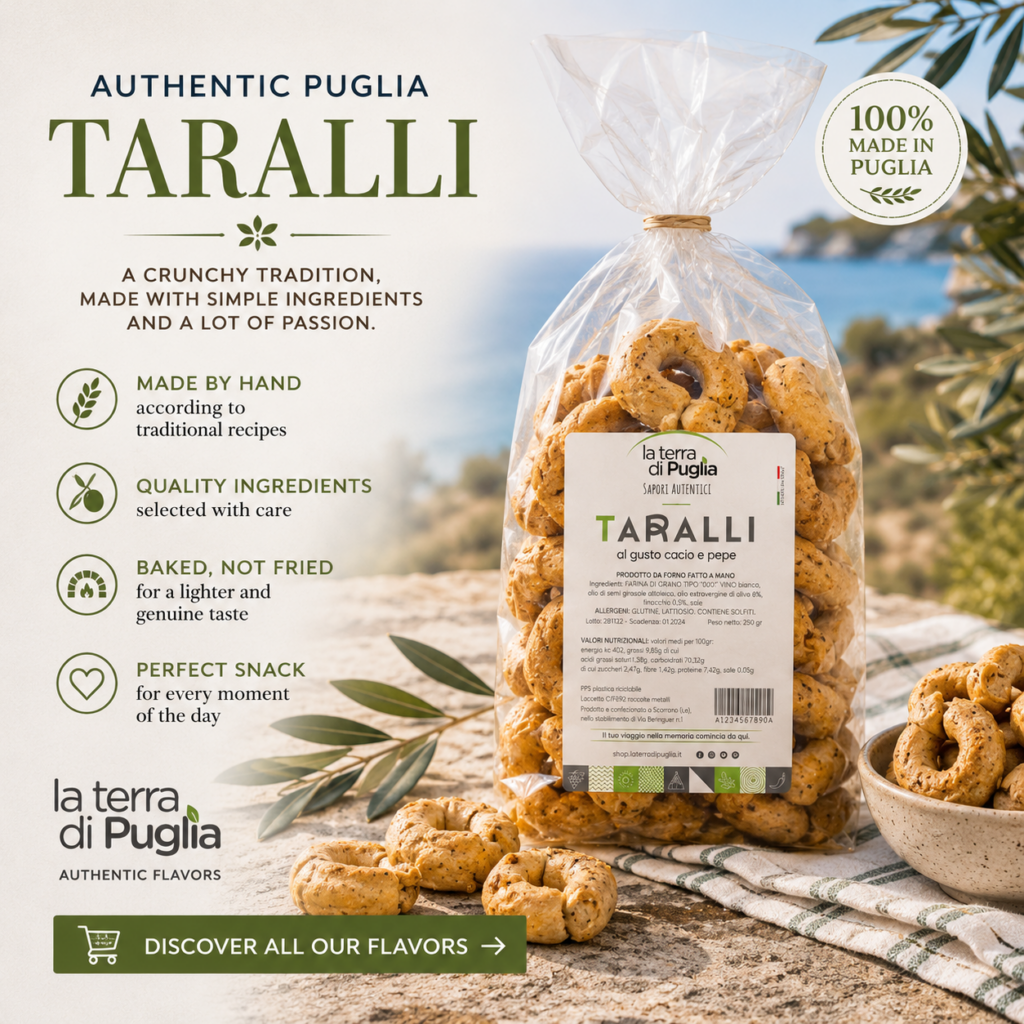
And then there are taralli, the small ring-shaped crackers you nibble without thinking; the crunchy friselline, little frise to fill with fresh tomato; and extra virgin olive oil, unmistakable. These are the genuine flavours of Puglia that we do not want to see lost, which is why we have gathered them in the La Terra di Puglia shop, more as keepers than as sellers.
Where to go next
This page tells the story of the flavours. For the region’s food as a whole, from bread and wheat to fruit, vegetables and wine, start from Apulian food and produce; for the individual specialities, one by one, see the typical products of Puglia.